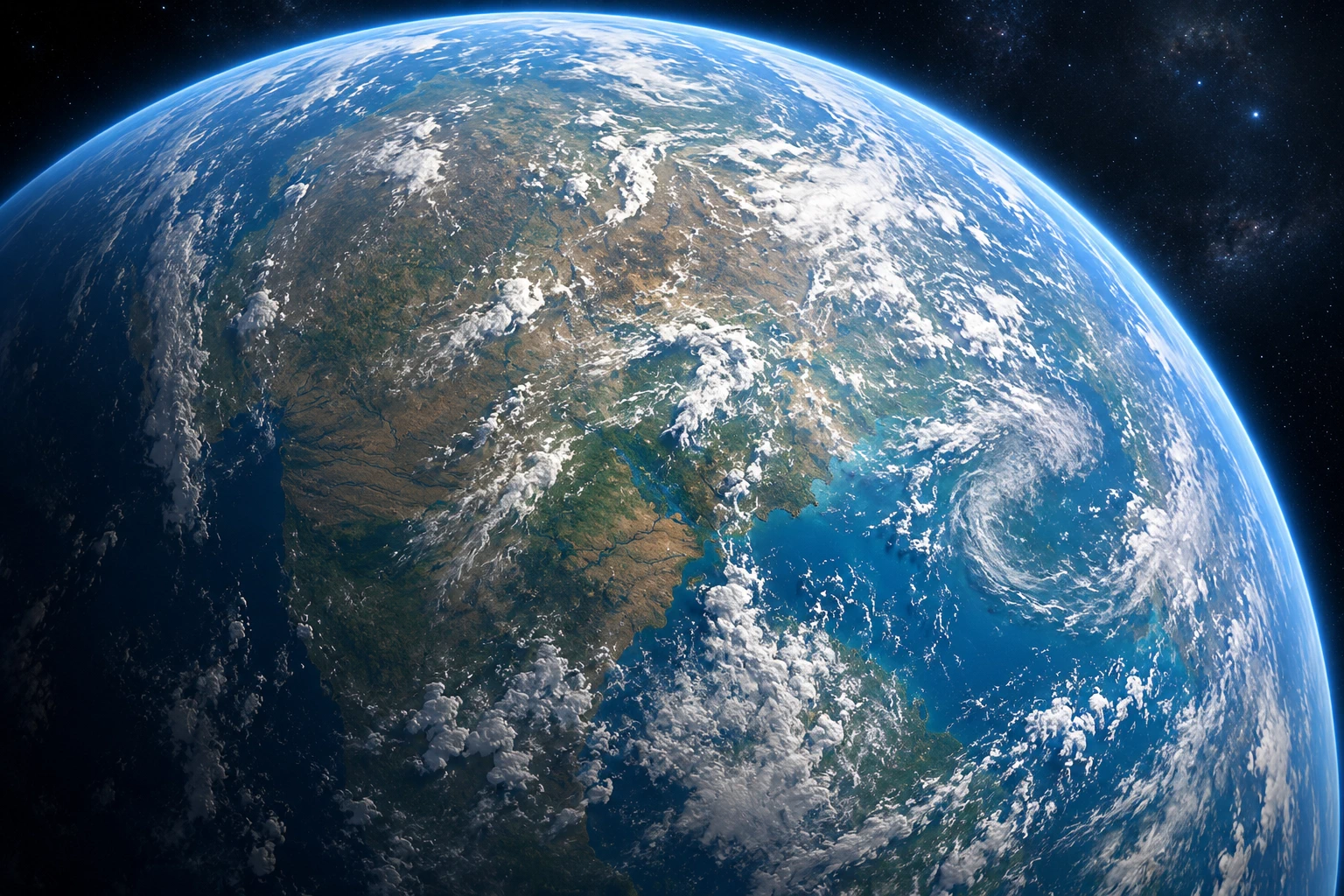
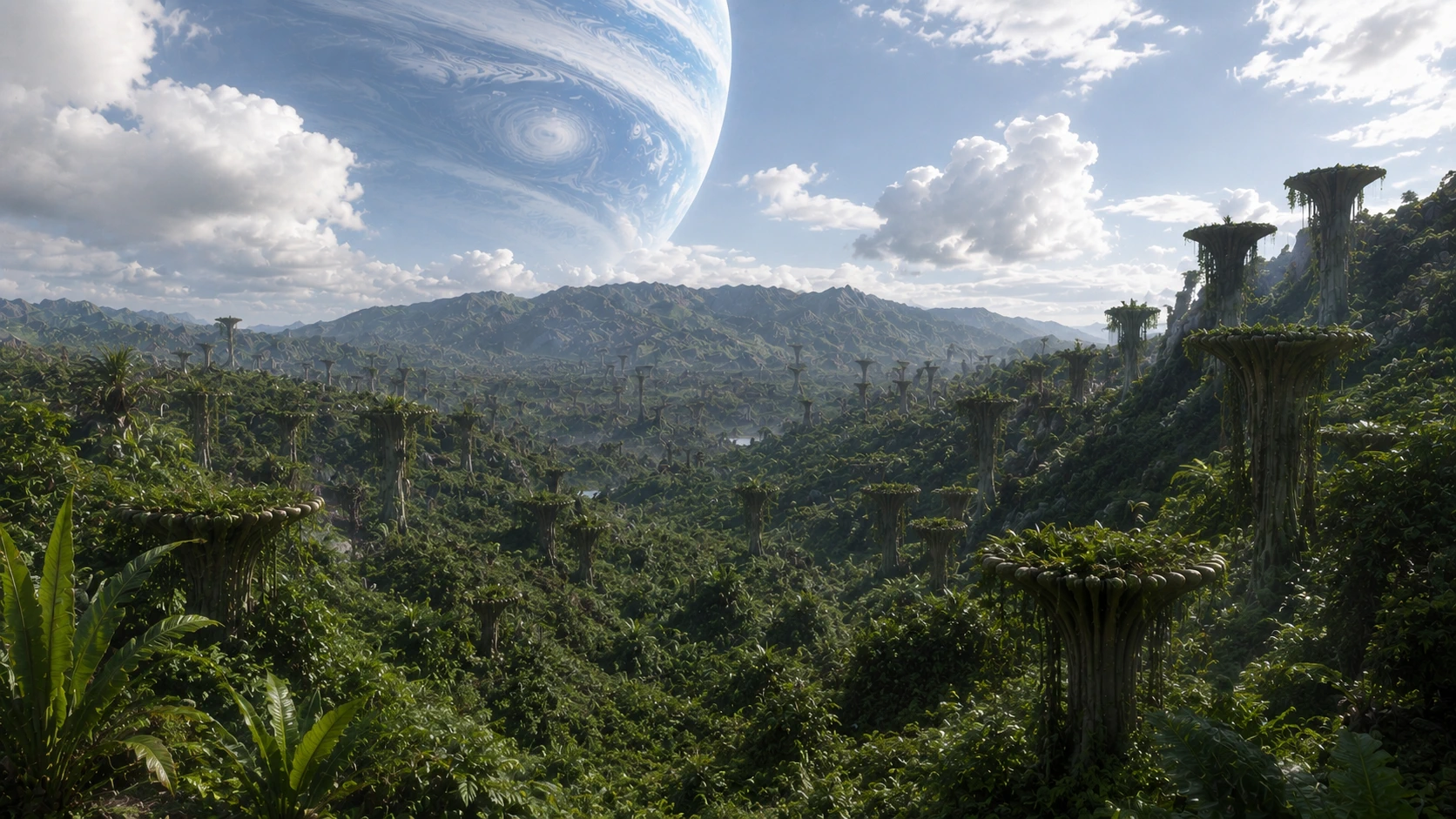
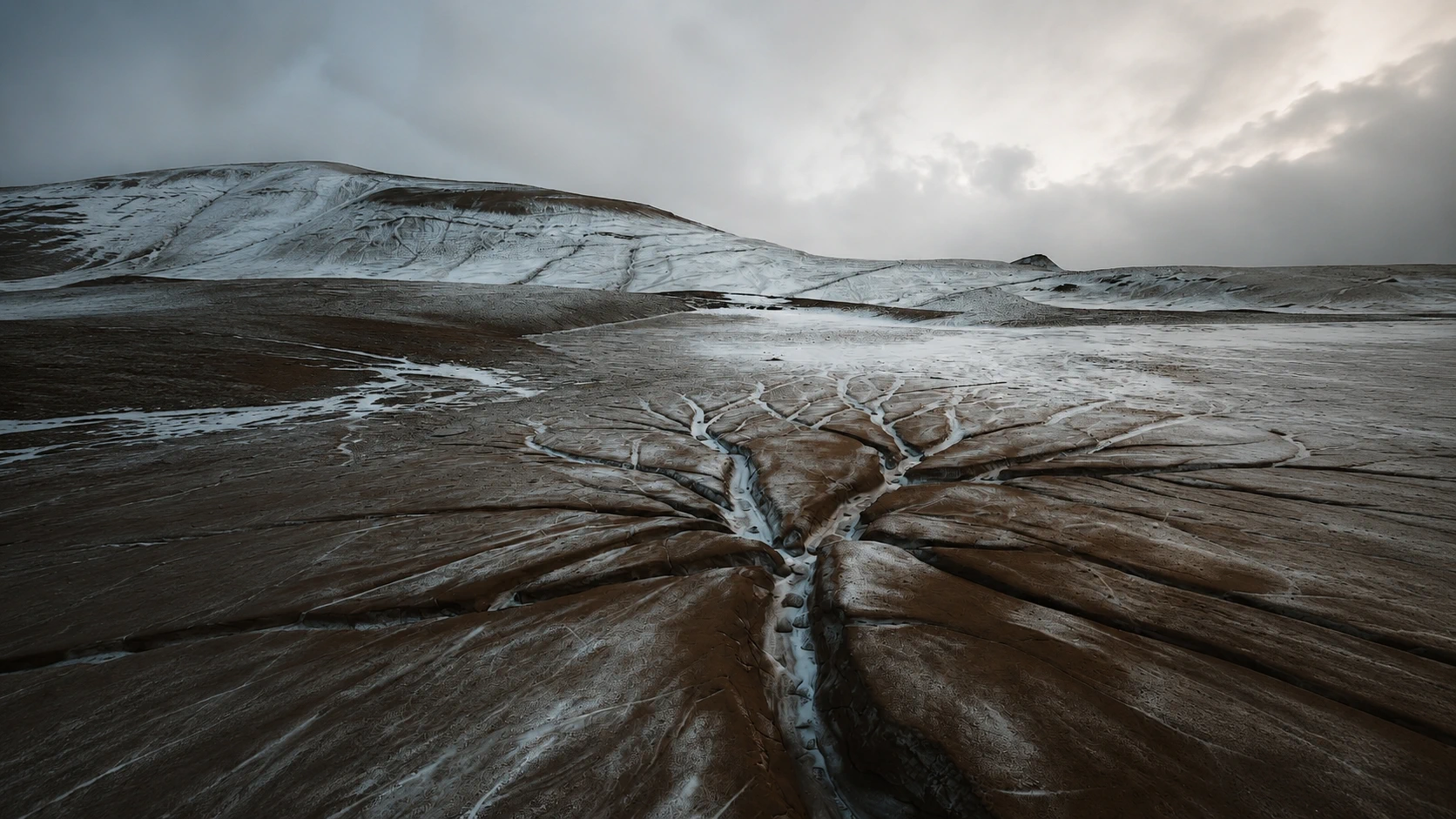
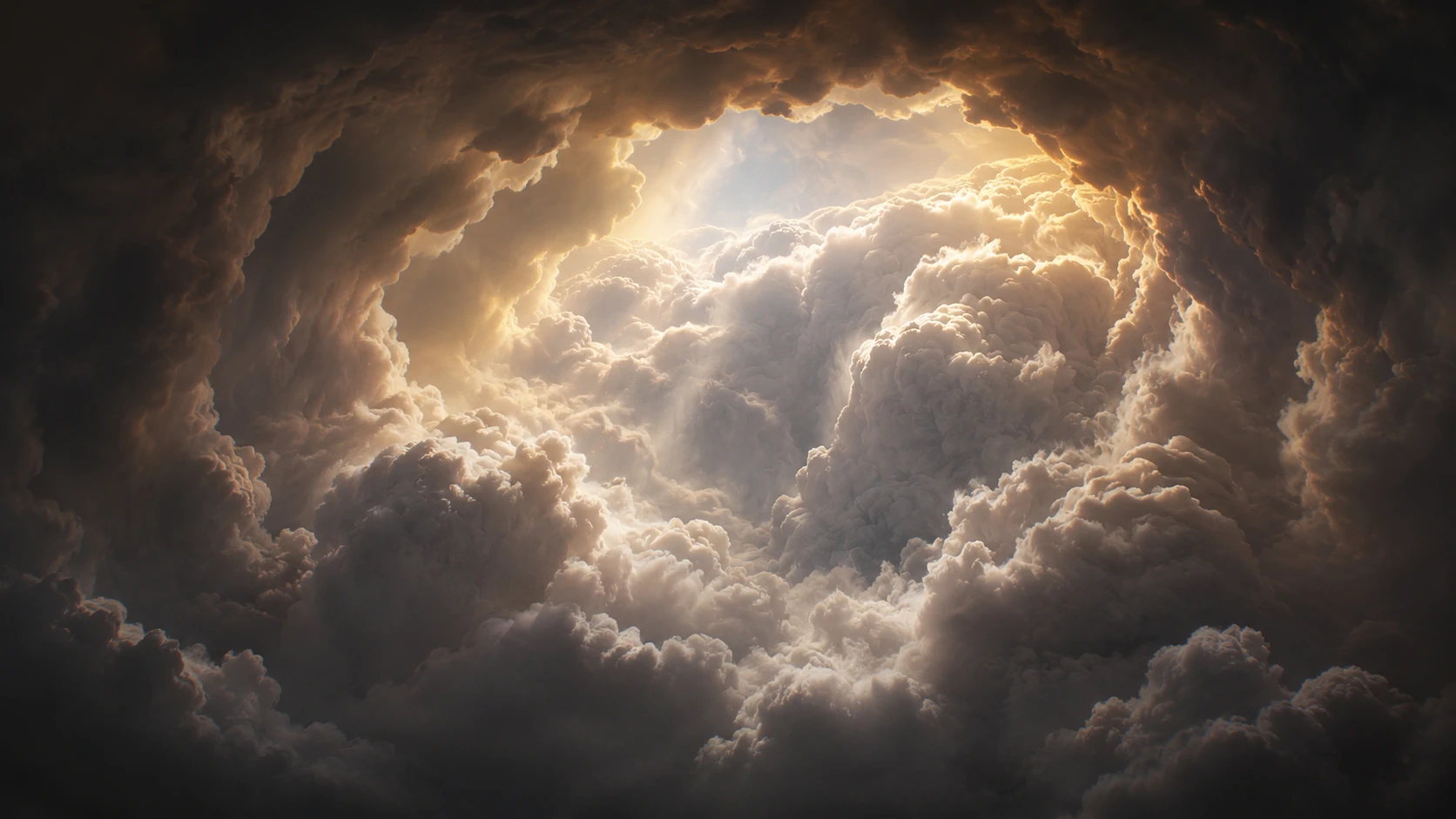
Habitable worlds are planets and moons capable of supporting life, whether or not they are comfortable for humans. The familiar image of a blue-green Earthlike planet is only one expression of habitability. Many living worlds are toxic, frozen, dim, storm-ridden, buried beneath ice, or hidden inside thick atmospheric layers.
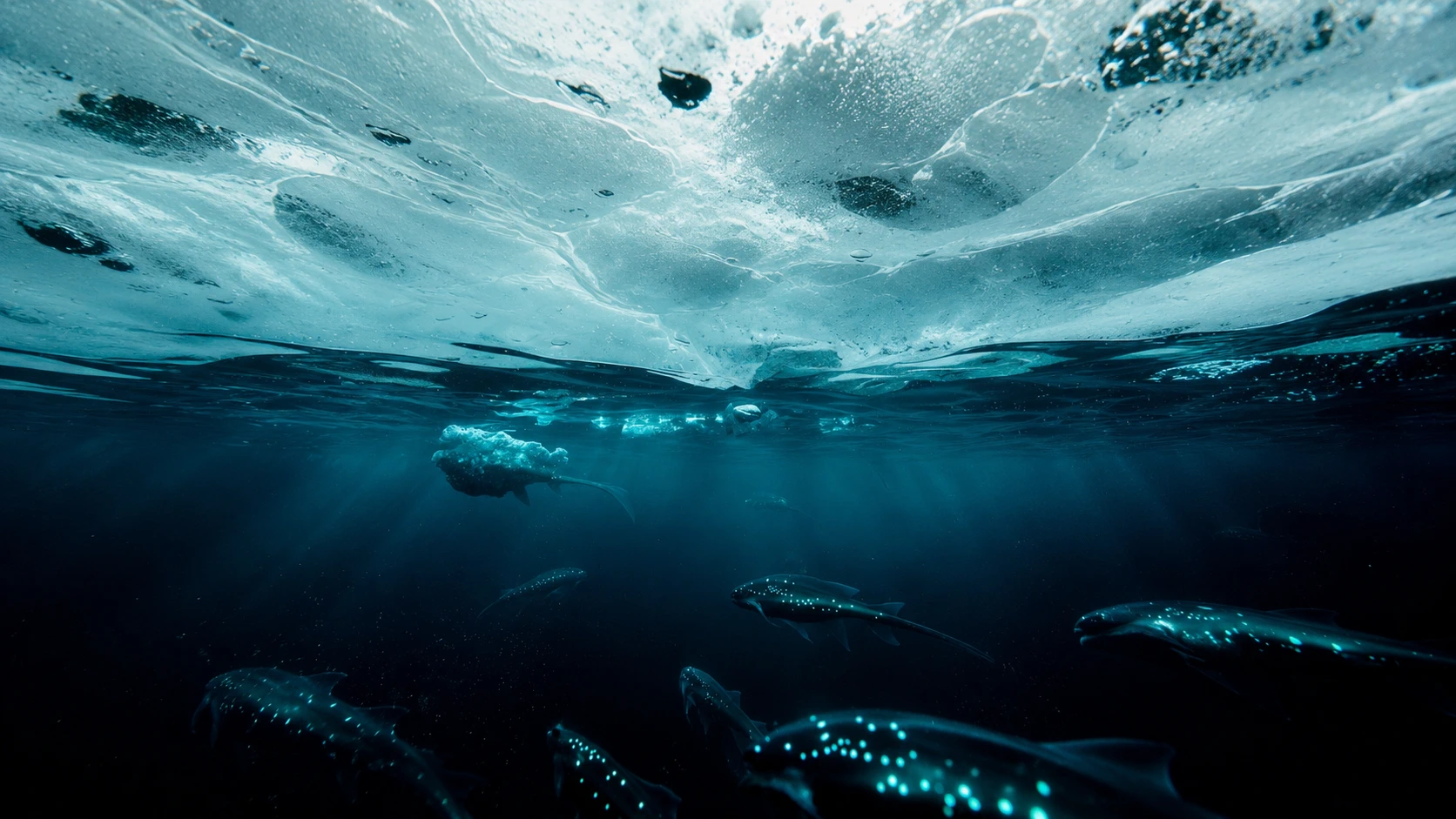
For humanity, habitability is often measured by breathable air, survivable temperatures, liquid surface water, and stable weather. For alien life, the definition is broader. Life can adapt to chemical atmospheres, deep oceans sealed below ice, polar melt zones, high-pressure cloud layers, and narrow ecological bands that would be dangerous or impossible for unprotected human settlement.
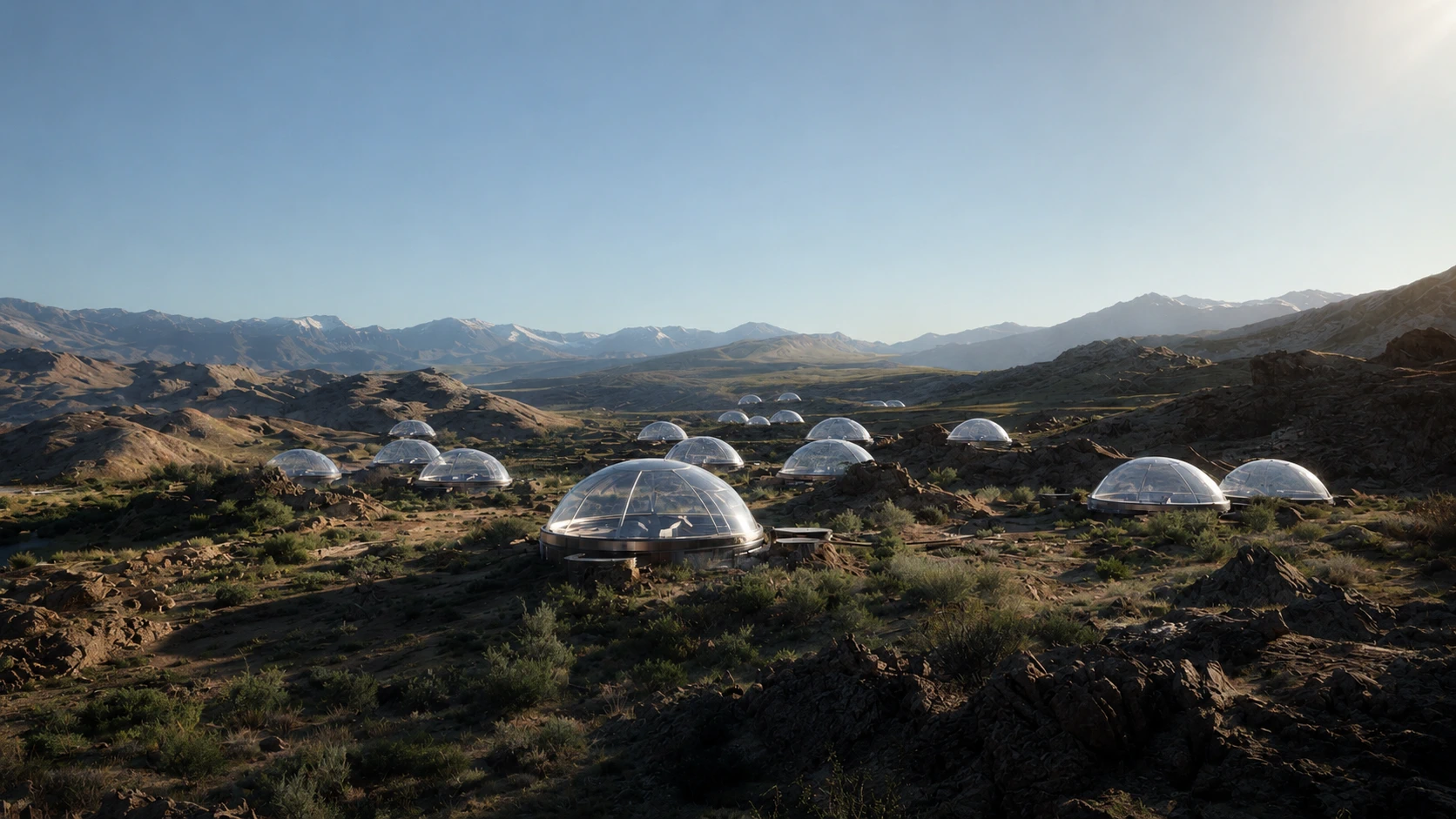
This archive highlights the wide range of places where biology can take root. Some worlds become centers of colonization and culture. Others remain dangerous scientific preserves, sealed habitat networks, or remote biosphere worlds where life thrives while humanity survives only as a visitor.