Heliocoleus
A bioengineered beetle deployed across young worlds to absorb sunlight, warm surface terrain, convert atmospheric gases, and enrich sterile soil as it dies back into the regolith.
Open Species Record →Cataloged organisms, engineered lifeforms, apex predators, and unknown evolutionary branches recorded across settled space and beyond the edge of reliable survey.
A bioengineered beetle deployed across young worlds to absorb sunlight, warm surface terrain, convert atmospheric gases, and enrich sterile soil as it dies back into the regolith.
Open Species Record →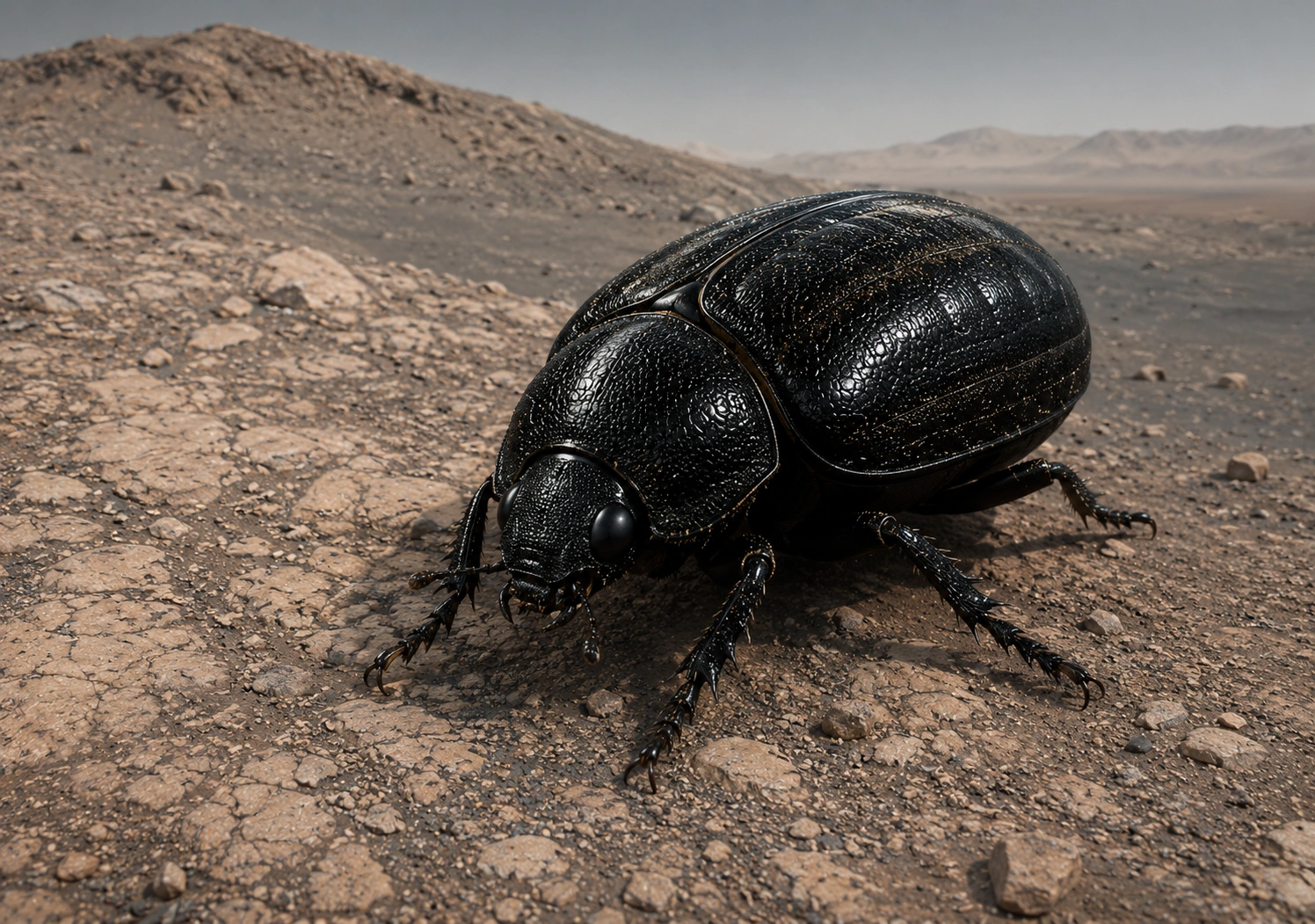
A bioengineered beetle deployed across young worlds to absorb sunlight, warm surface terrain, convert atmospheric gases, and enrich sterile soil.

A long-bodied winged predator with scaled membranes, flexible spinal musculature, and silent gliding behavior from high thermal columns.

A territorial winged hunter with striped tail patterning, hooked talons, and short violent bursts through dense woodland.
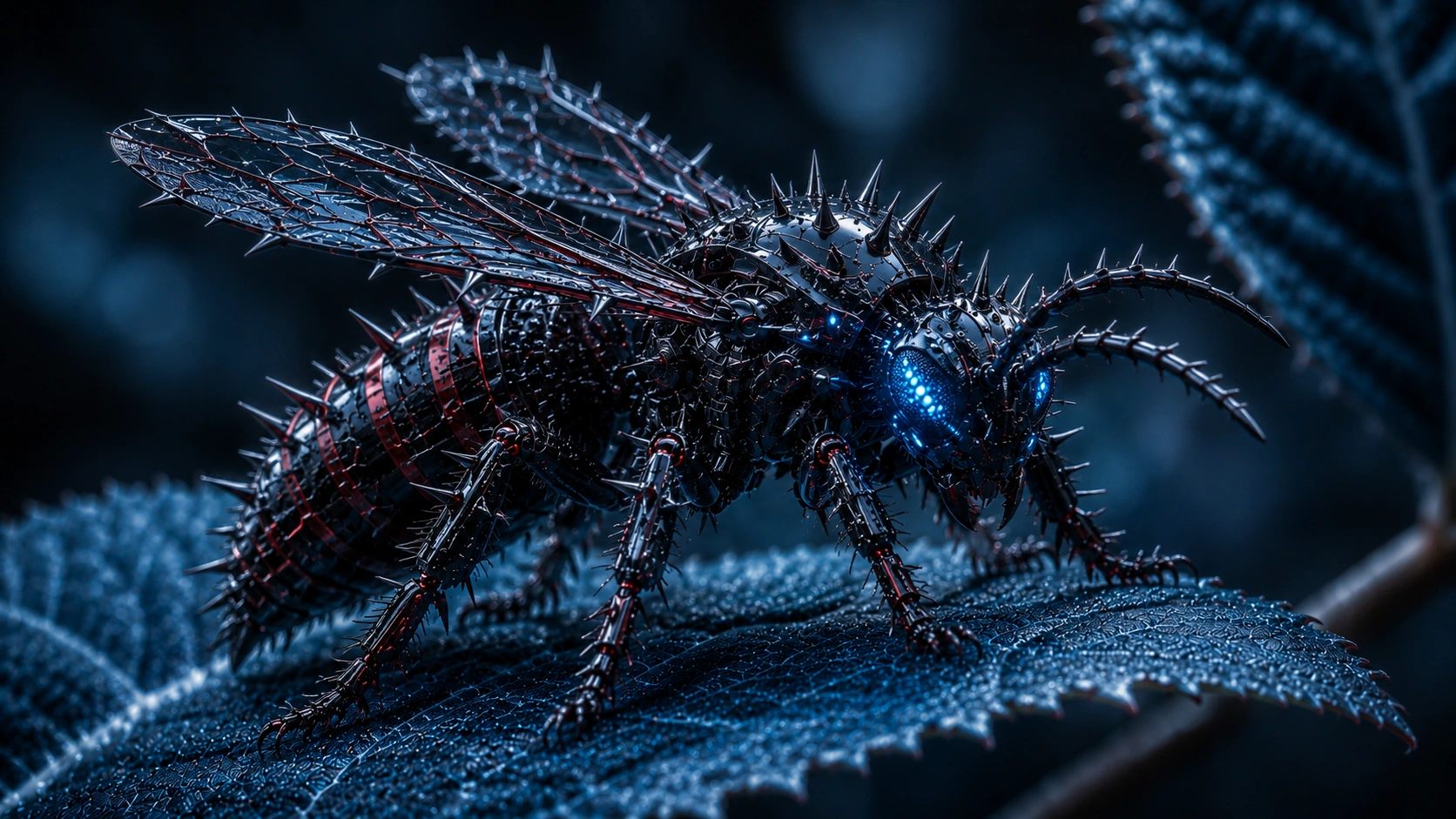
A spiked, metallic-looking insectoid covered in defensive barbs and glass-veined wings, known for luminous blue eyes and swarm aggression.
Early colonies treat the beetle as infrastructure rather than wildlife. Entire valleys may be seeded with dormant clutches before the first habitat lands.
Most sightings occur near sunrise or late evening, when rising air over warm forests gives the creature lift with minimal wing movement.
Survey teams avoid broken woodland, dry creek beds, and narrow game trails where the Wingclaw can attack from cover or low branches.
Small groups behave like scouts, but larger concentrations become coordinated and persistent around nesting material or exposed power sources.