Proxima Centauri is the closest stellar system to Earth. Considered part of the wider Alpha Centauri system, the red dwarf star Proxima Centauri is a distant gravitational companion to the Alpha Centauri A and B binary pair.
Due to its proximity to Sol, Proxima Centauri became one of humanity's earliest interstellar colonies. Despite its accessibility, settlement proved challenging. Proxima is a dim M-class red dwarf, providing only a fraction of the energy output of Sun-like stars and creating a harsh environment for early colonists.
The system's primary inhabited world orbits extremely close to the star, completing a full revolution in just eleven Earth days. This close orbit has resulted in tidal locking, causing one hemisphere to perpetually face the star while the opposite side remains in permanent darkness.
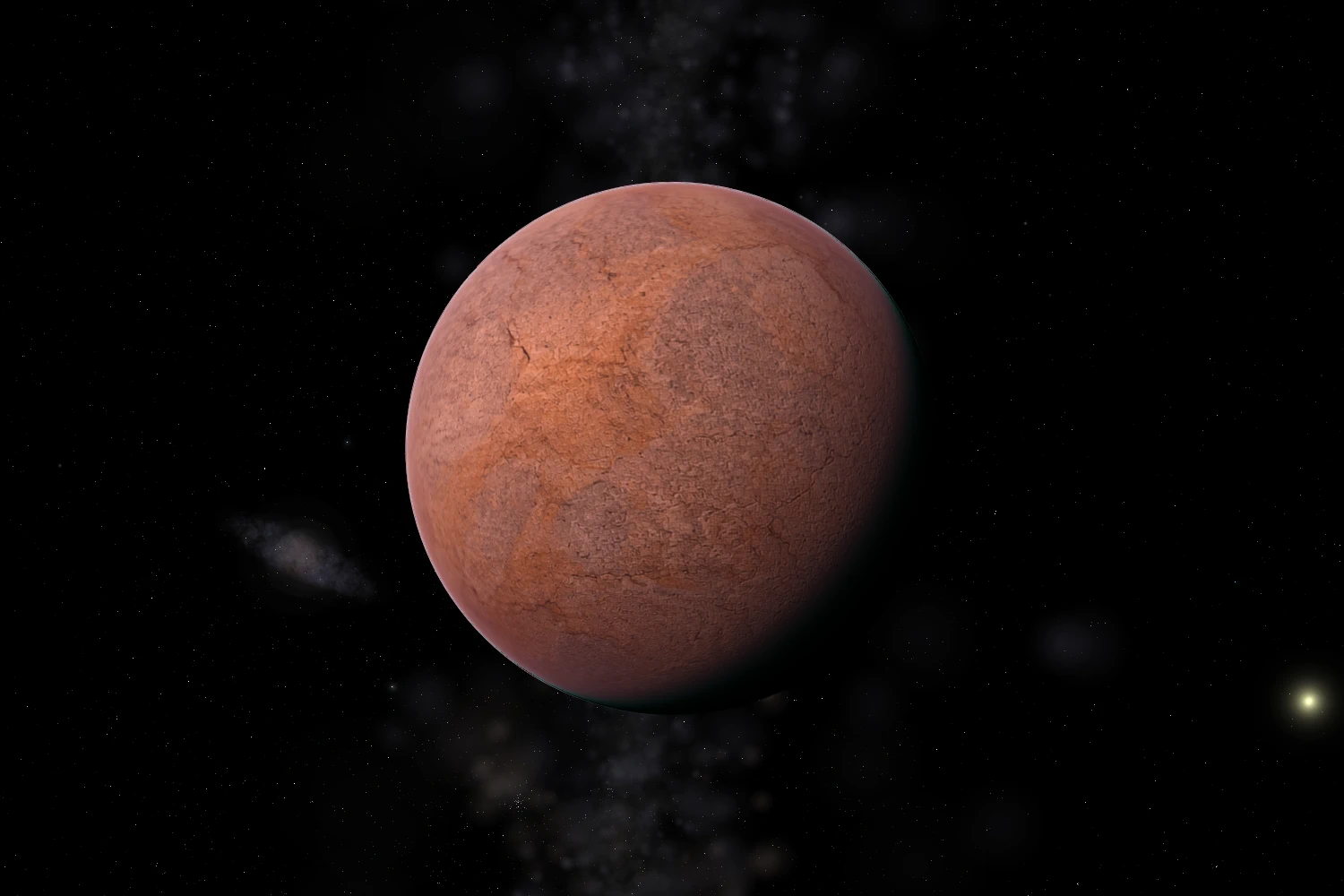
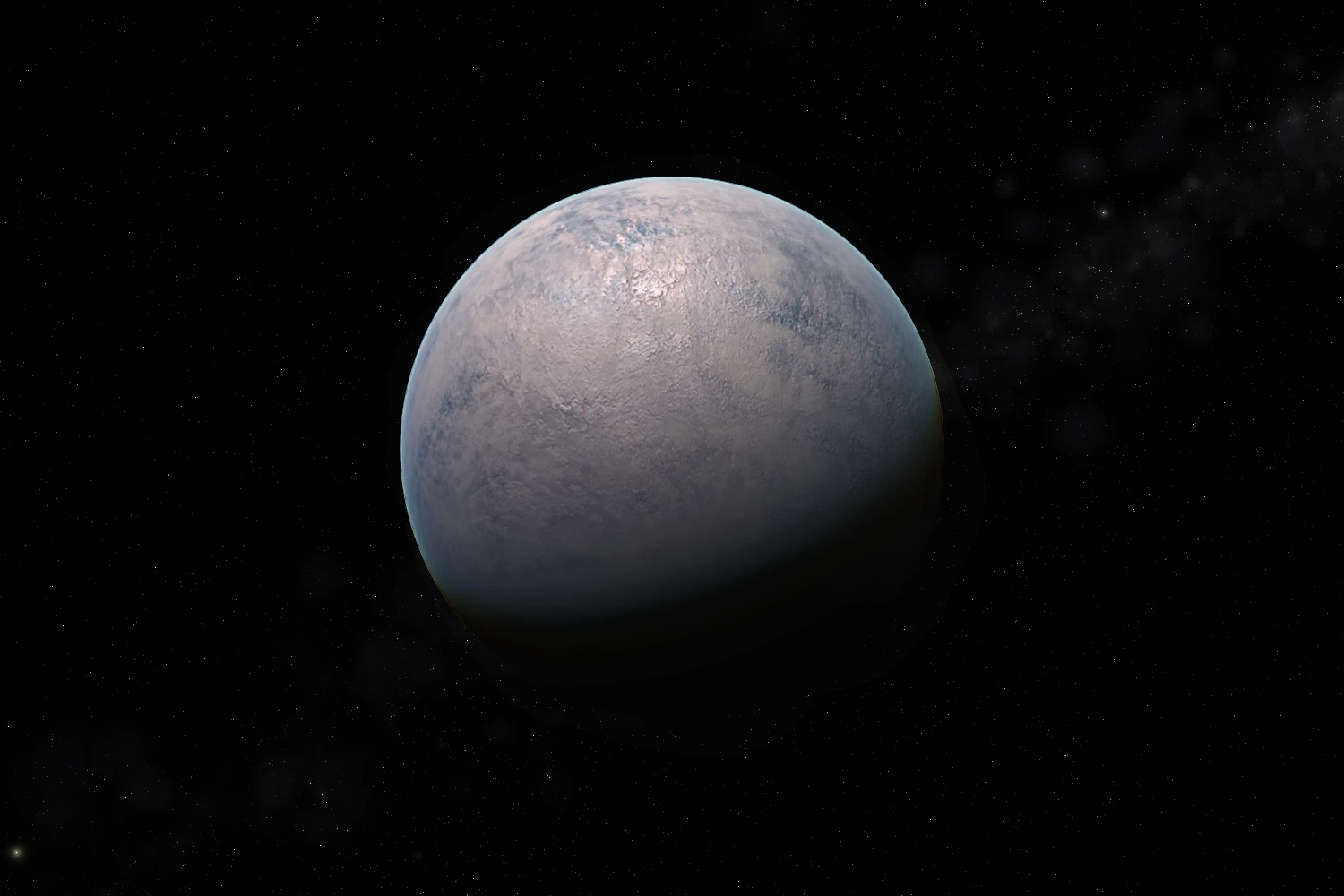
At the time of early colonization, the planet was largely inhospitable. The dayside was dominated by vast arid deserts and rocky badlands subjected to constant stellar illumination, while the nightside was buried beneath immense glaciers and frozen wastelands. Separating these extremes was a twilight region known as the terminator zone, where temperatures remained moderate enough to support long-term human habitation.
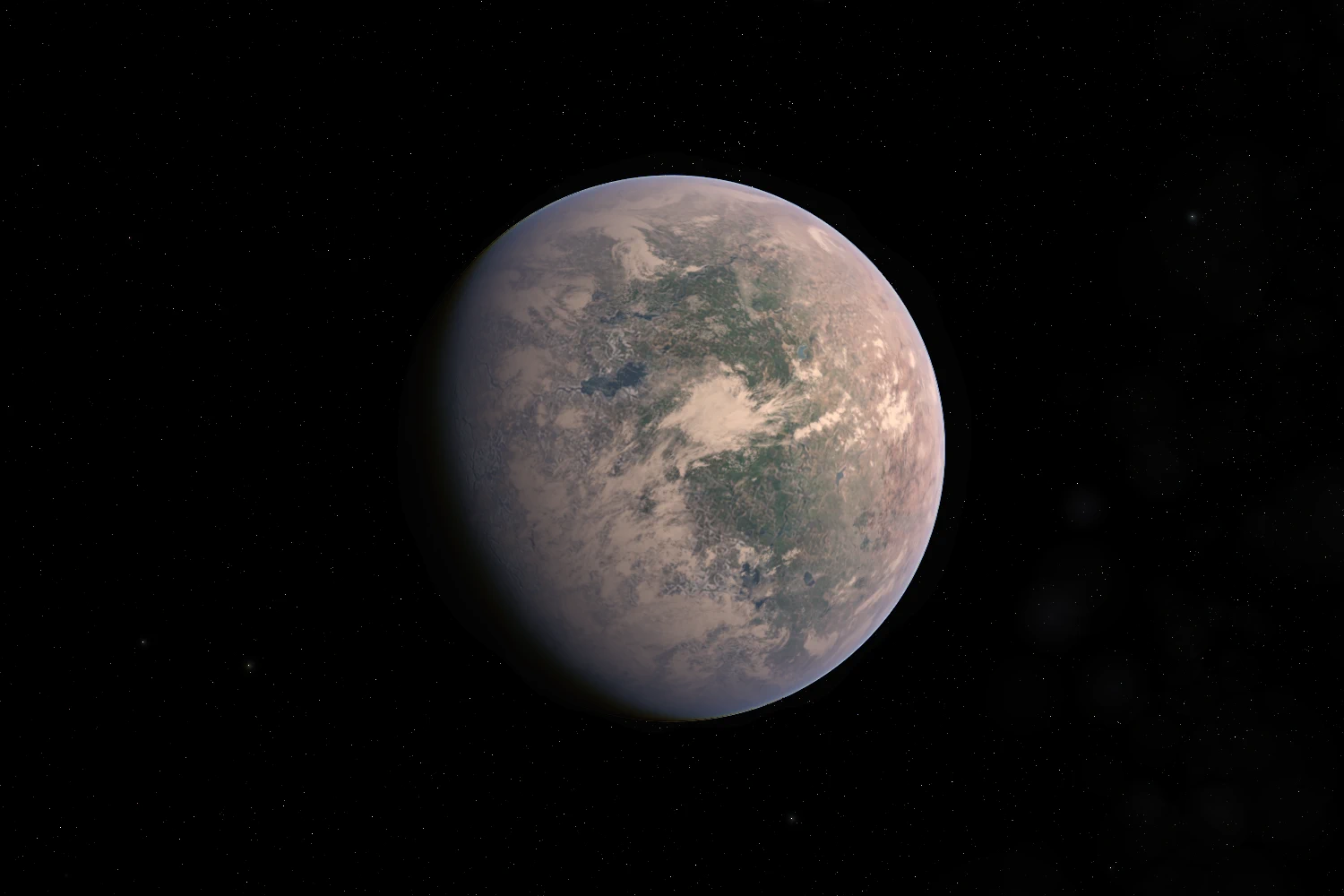
Terraforming efforts focused primarily on expanding this habitable band. The frozen margins of the nightside gradually gave way to tundra, grasslands, and engineered ecosystems. Genetically modified fast-growing coniferous forests were introduced to stabilize soils, increase biomass, and accelerate atmospheric enrichment. Specialized microbial colonies and plant-growth bacteria were distributed across the region, helping transform once-barren terrain into productive agricultural land.
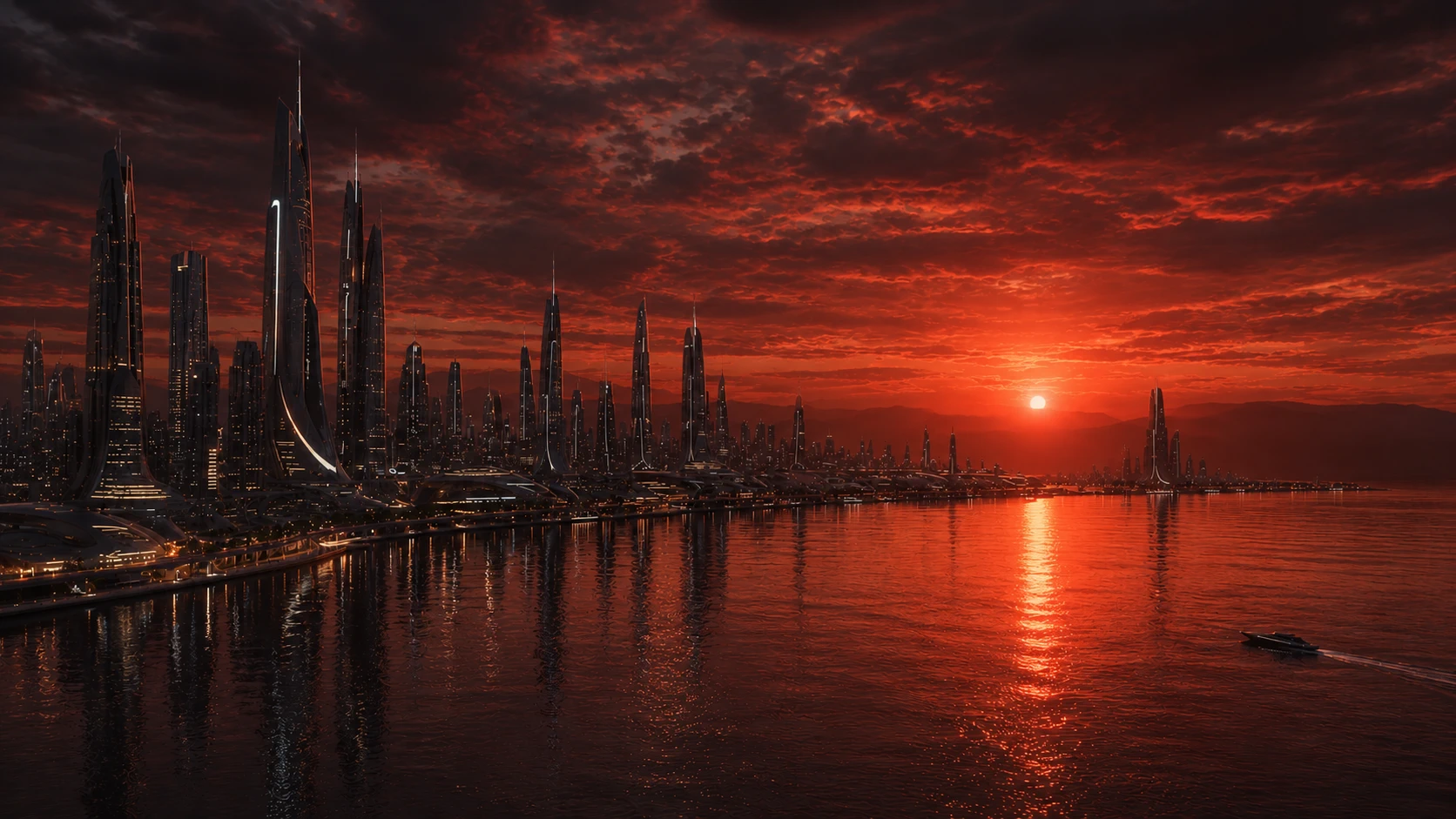
Today, the vast majority of the population resides within the temperate terminator zone. Stretching around the planet like a continuous ring, this region contains the world's major cities, industrial centers, transportation networks, and agricultural districts. The contrast between the blazing deserts of the dayside and the frozen darkness of the nightside remains one of the defining characteristics of life on humanity's nearest interstellar neighbor.