Extrasolar Database · Alphabetical Registry

P Systems

Browse all cataloged Darknovus star systems beginning with P, from early colonies and frontier worlds to industrial hubs, regional centers, resort planets, and strange worlds along the edges of known space.

28 Archive Entries Letter P Systems Index

Alphabetical archive: use this page as a fast visual directory for every P-system currently listed in the extrasolar database.

Cataloged P Systems

28 Systems
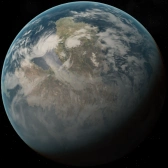
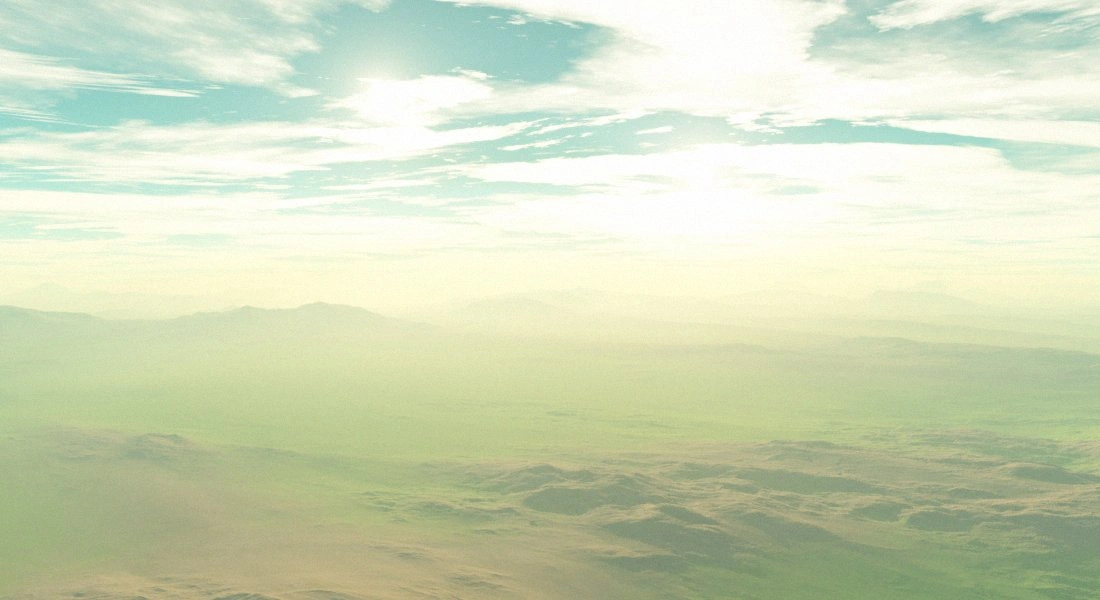
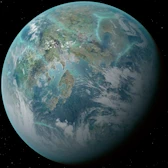
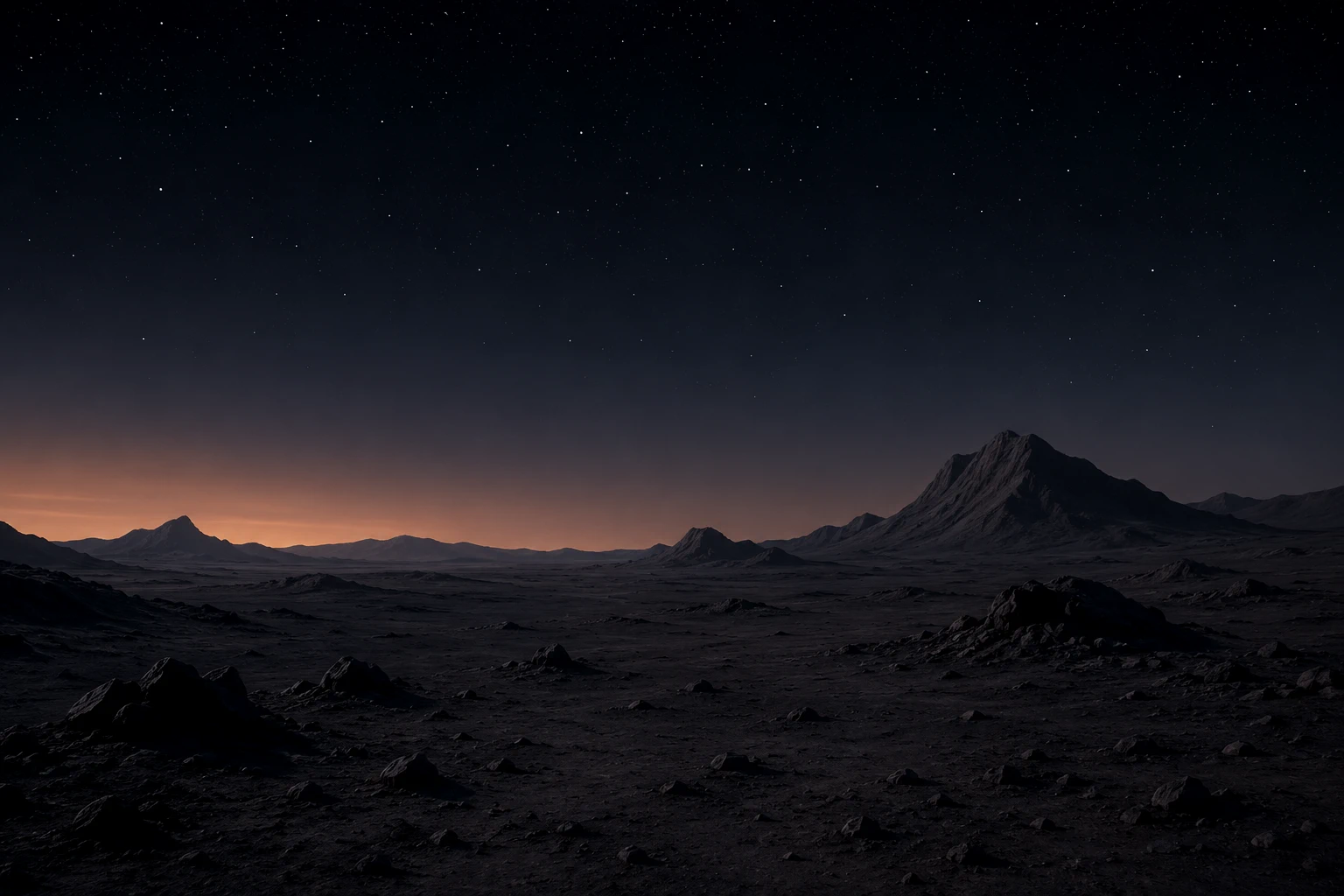
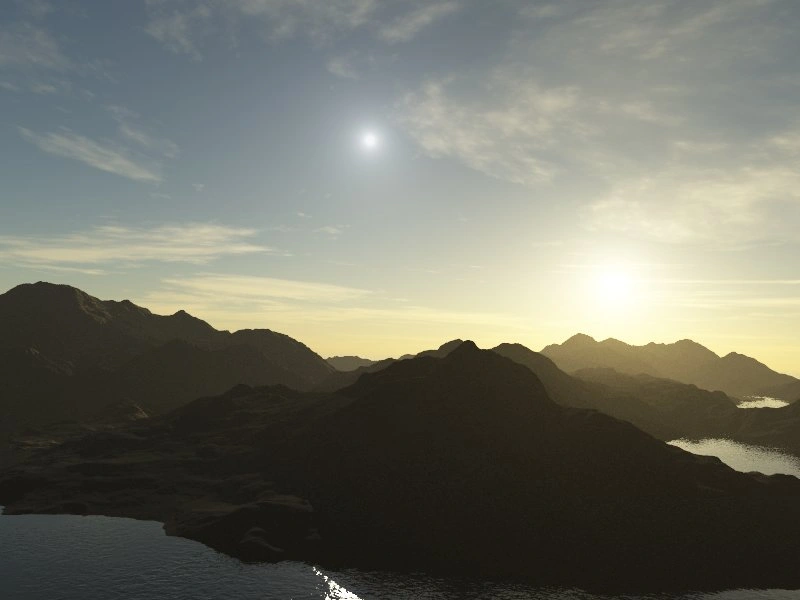
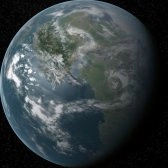
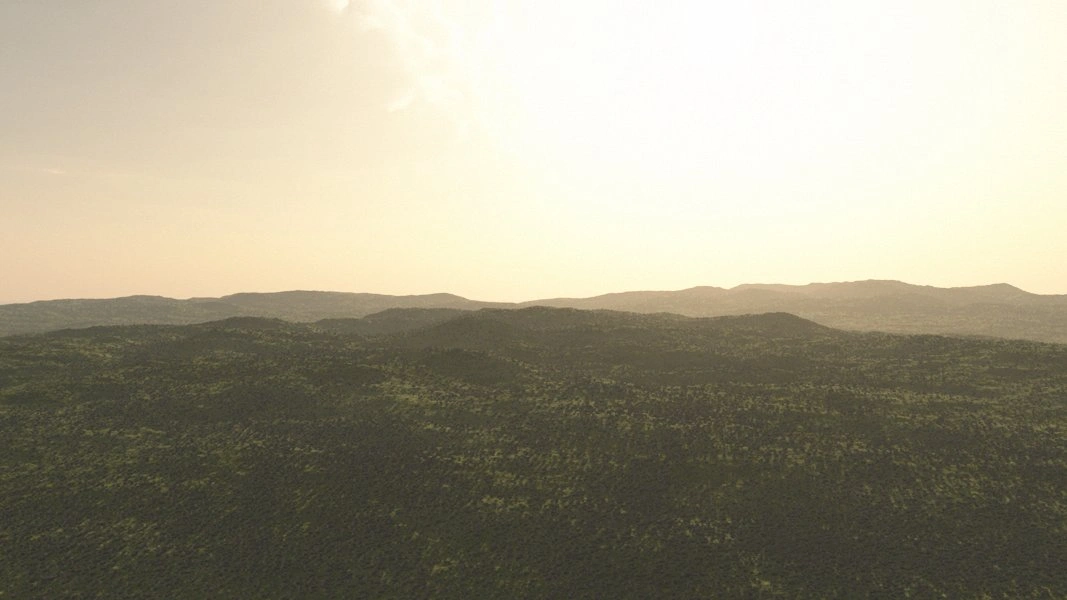
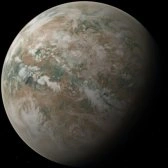
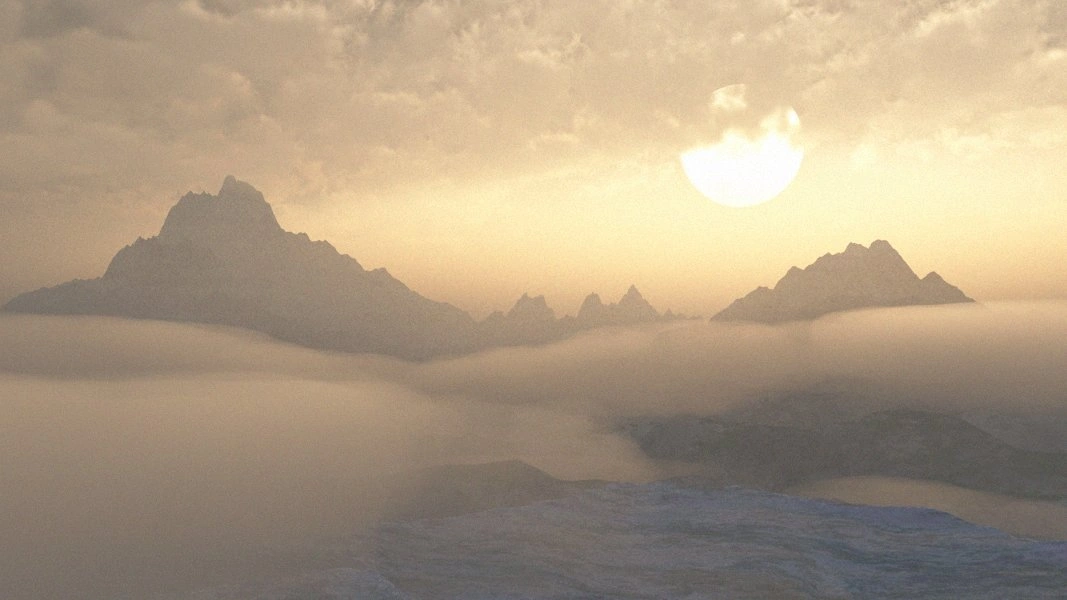
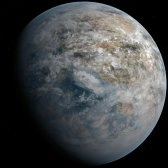
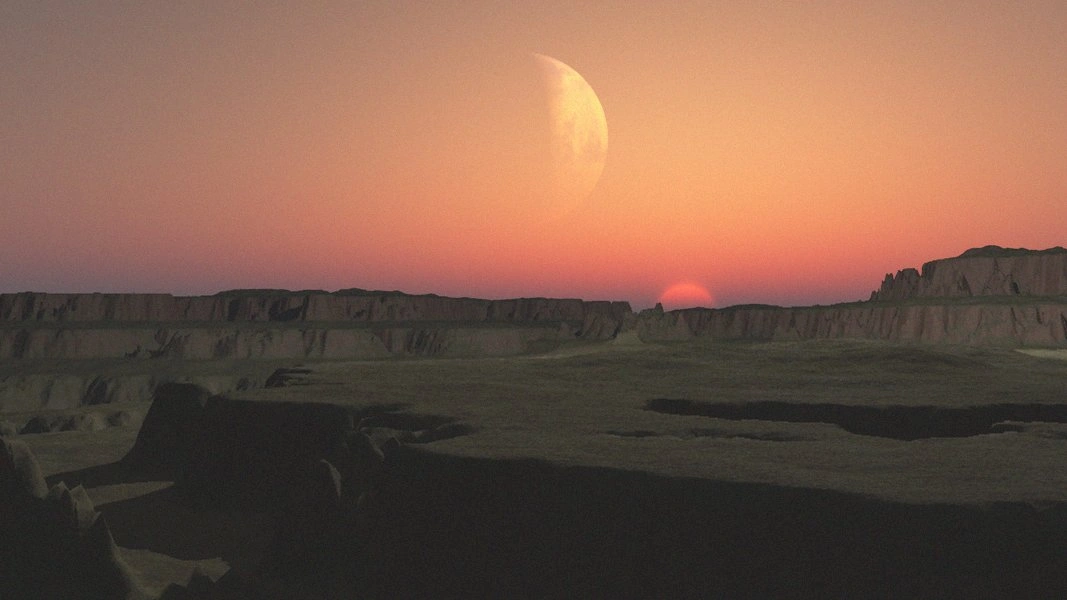
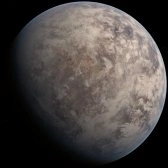
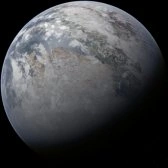
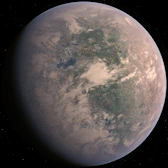
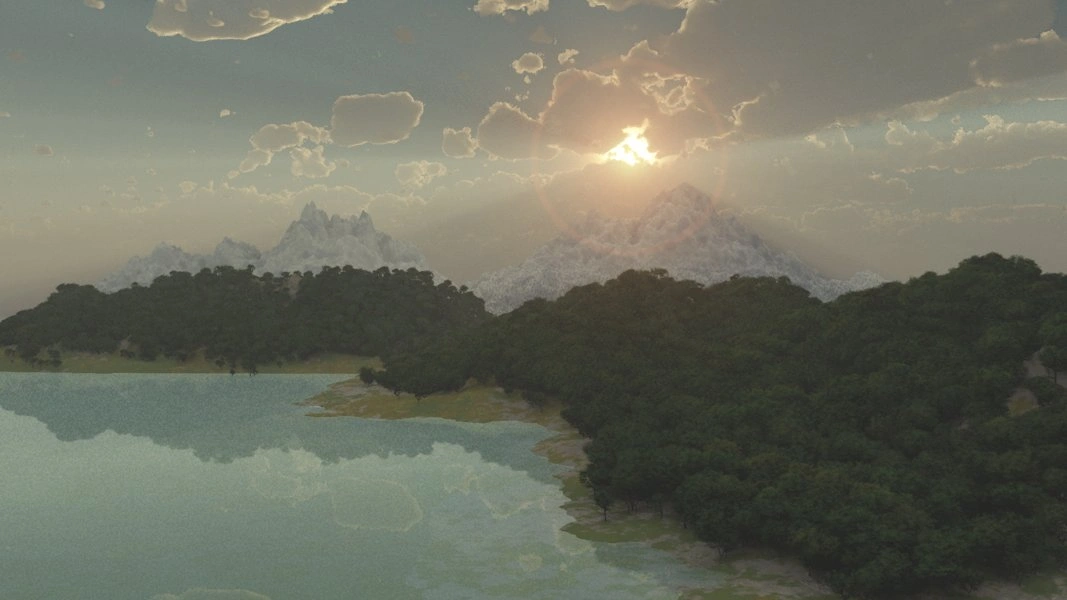
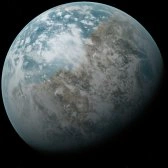
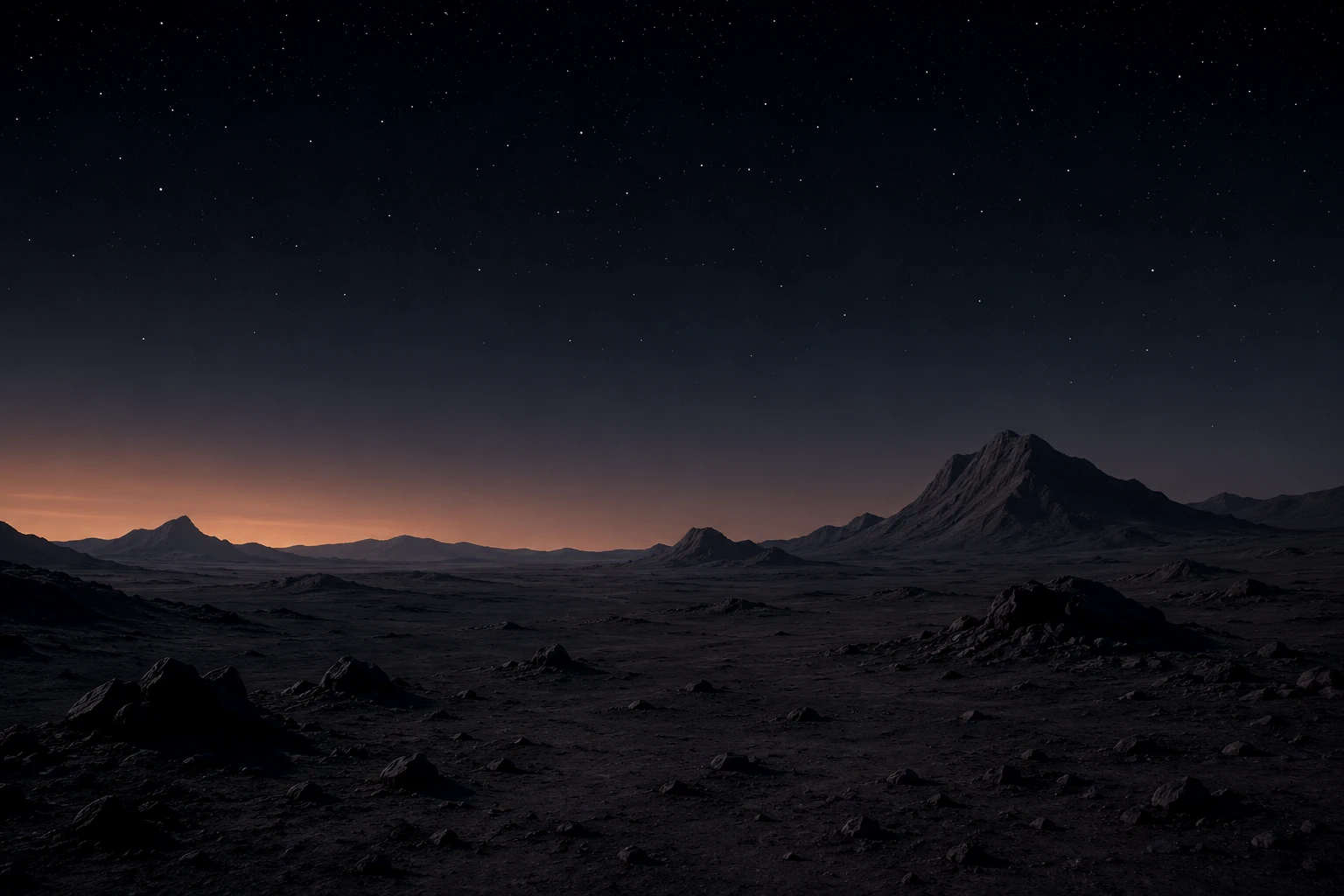
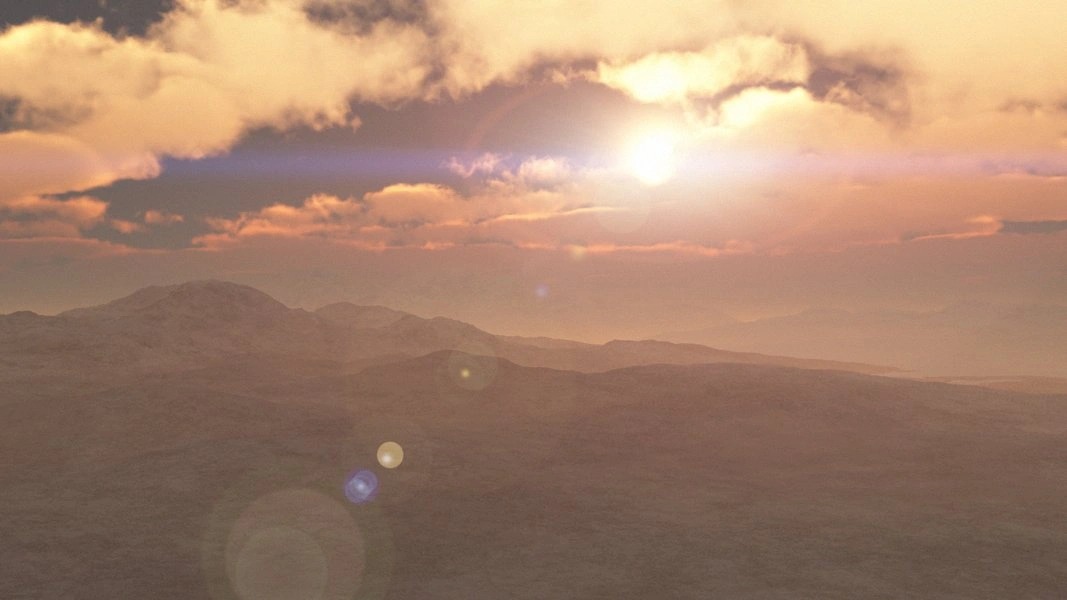
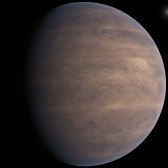
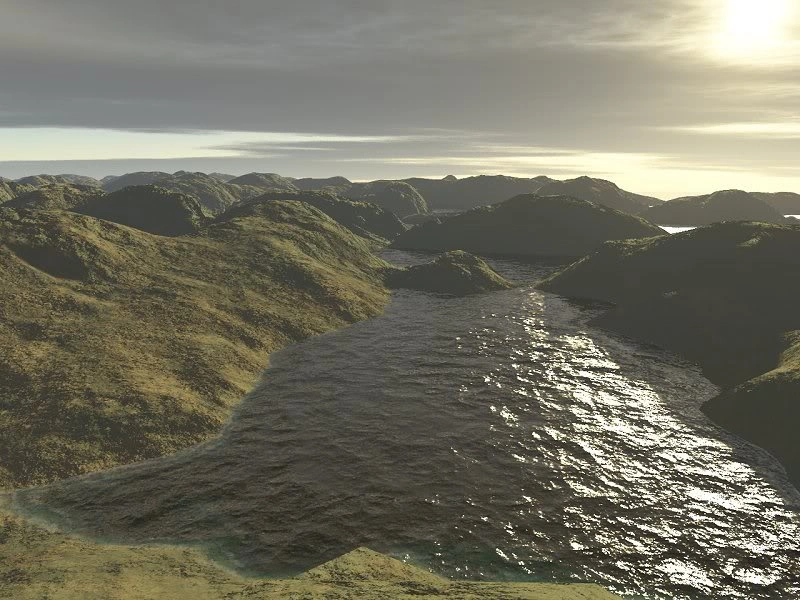
Paavana surface viewPaavana orbital view

Paavana

Habitable World

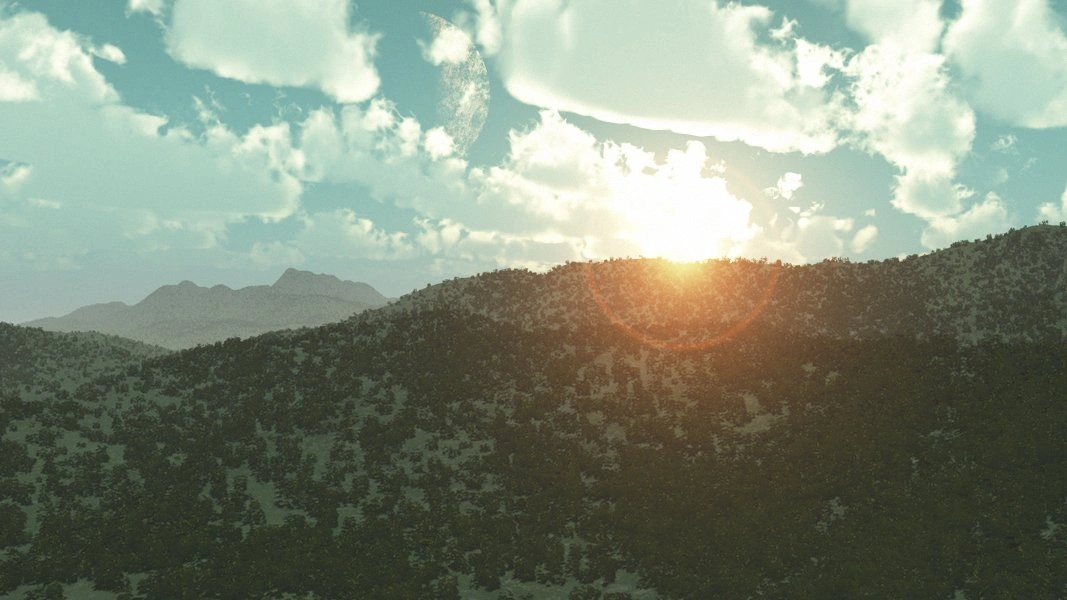
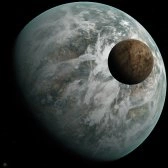
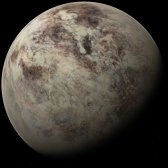
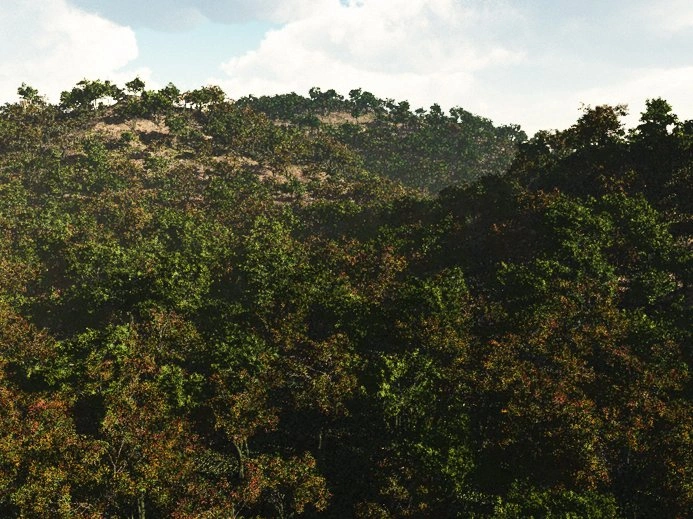
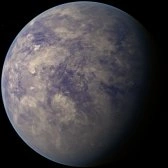
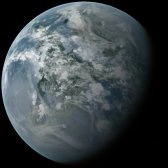
T he primary planet of the Paavana System is a world with a fast rotation. The planet's rotation causes intense winds that pummel the surface. Despite the fact the planet has earth-like temperatures and liquid water, only limited life can survive on planet under the intense conditions.
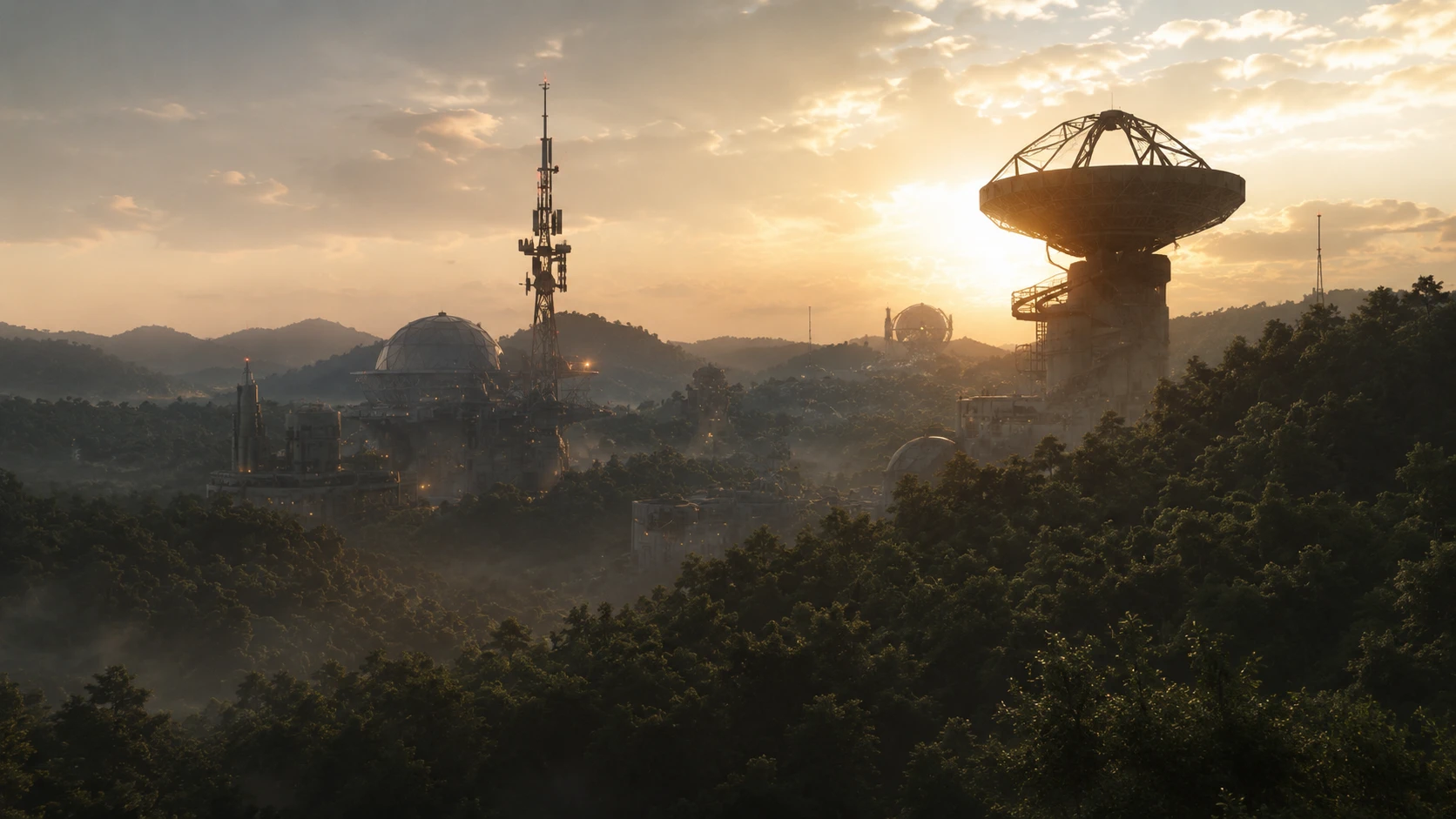
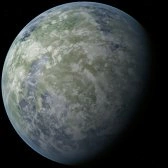
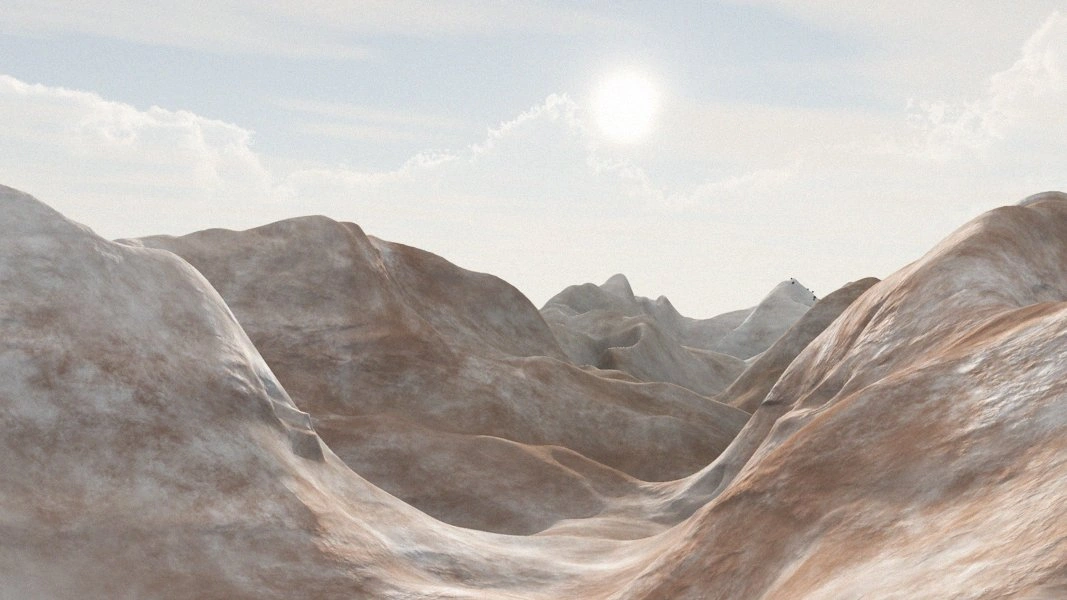
Pageville surface viewPageville orbital view

Pageville

Frontier Colony

The Pageville System was first settled during an exodus from the region's center Paentora. The system's primary planet looked like a paradise, though it's difficult environmental conditions, which were discovered after the planet was settled, made it difficult to grow a large population.

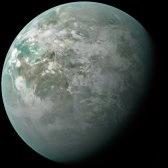
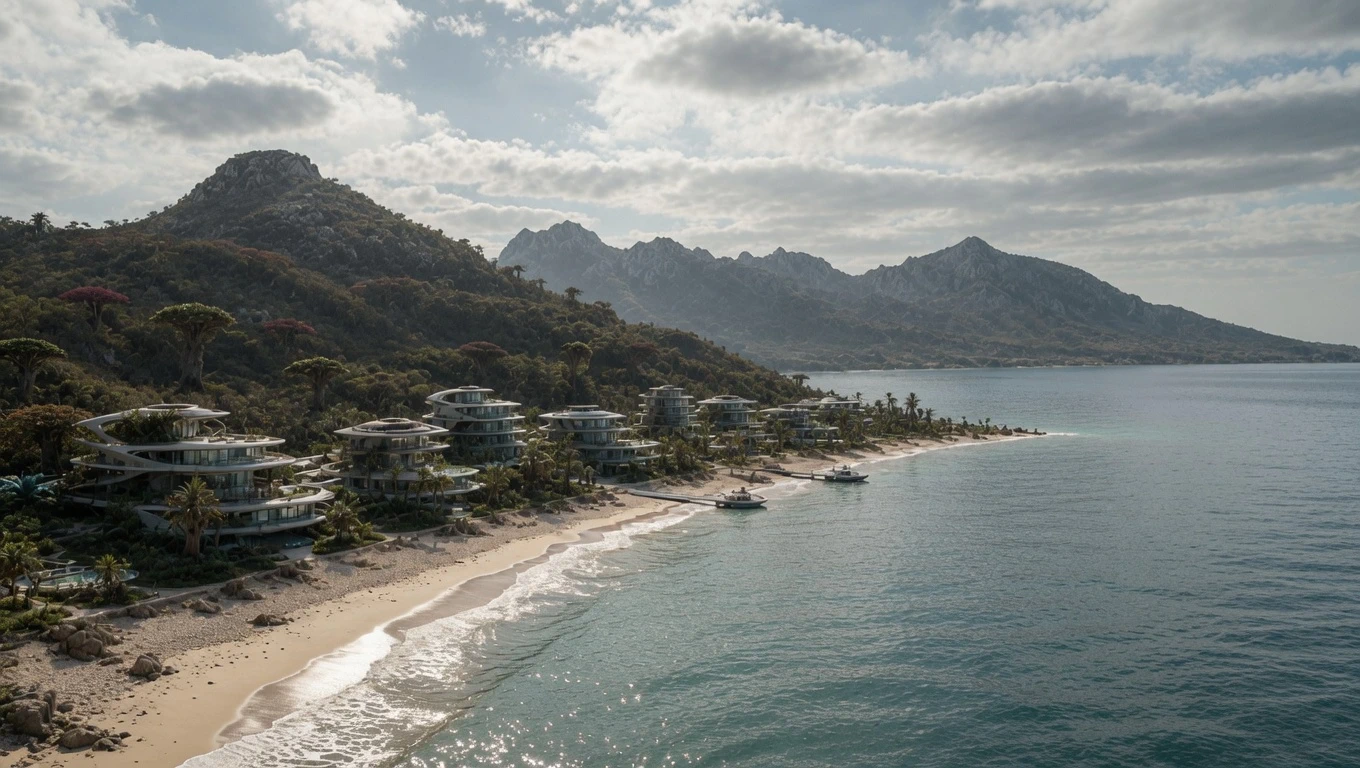
Paivatar surface viewPaivatar orbital view

Paivatar

Resort WorldWater World

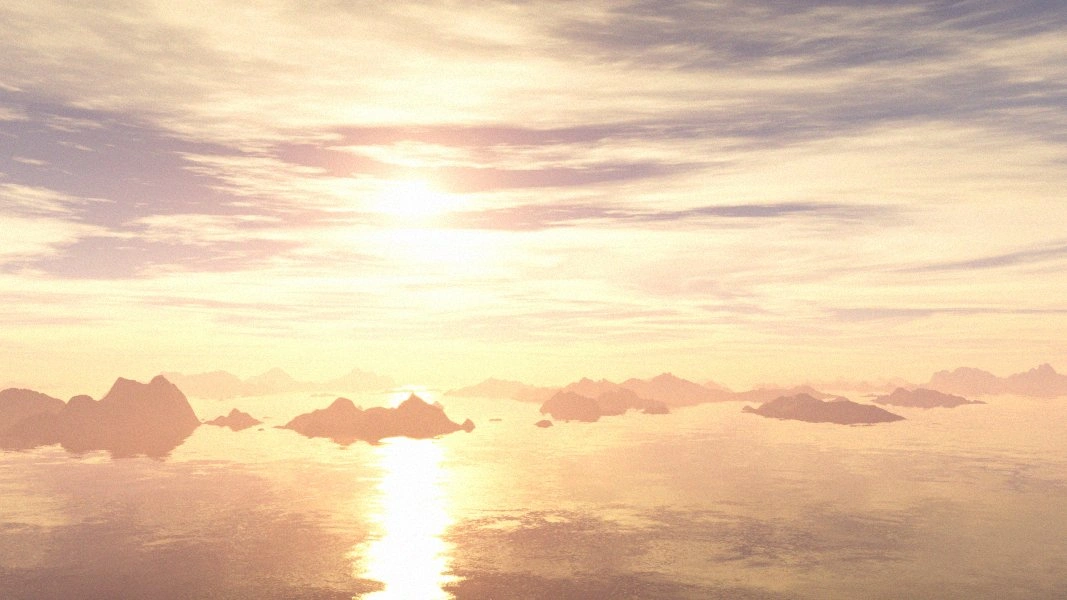
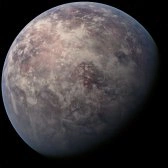
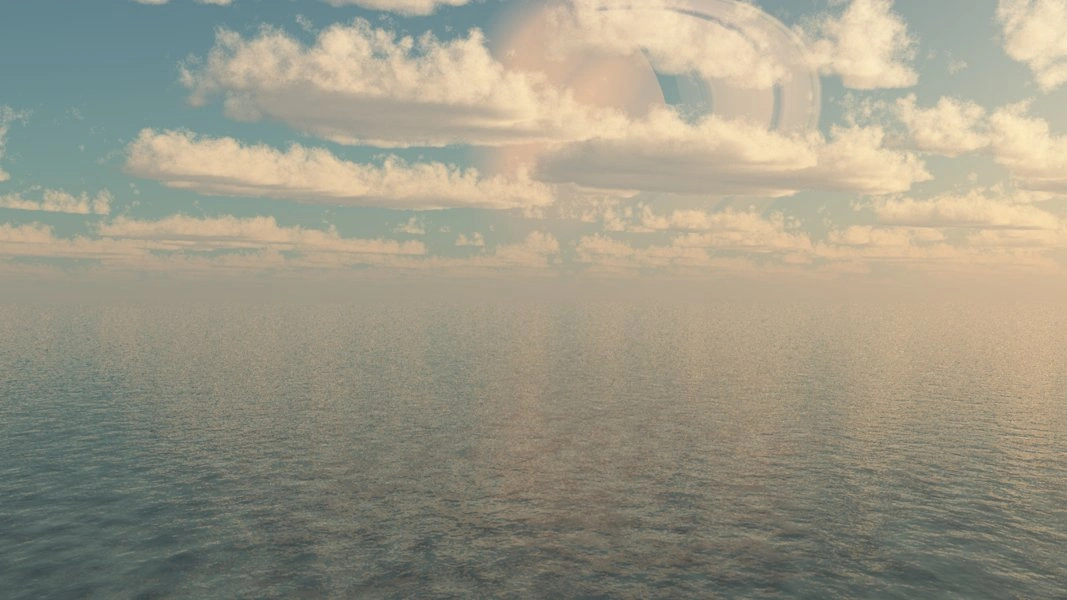
The Paivatar System's primary planet was settled with ideas of turning it into a resort world for the Fornax Region. The young, water covered world's only land areas are a vast array of island chains. Resort towns grew along the islands' many beaches.

Palace surface viewPalace orbital view

Palace

Industrial HubIce World

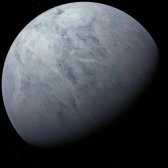
T he frozen primary planet of the Palace System appears to be an ordinary, fruitless world. Though deep below the surface vast deposits of americium exist. Americium is an important element used in the cores of interstellar ships. Mining the deposits and shipping the radioactive metal off-world has made the planet a very profitable place.

Paladinus surface viewPaladinus orbital view

Paladinus

Habitable World

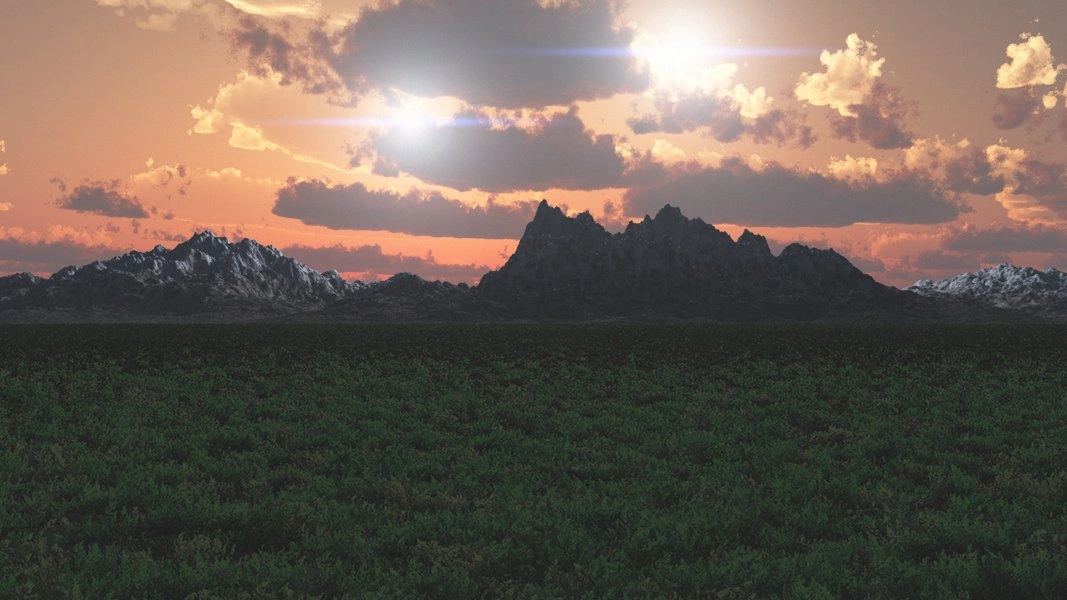
The Paladinus system's habitable primary planet contains one the last surviving technologically advanced societies that is still controlled by a monarchy. The planet's landmasses are situated in two primary continents that run horizontally across the planet's tropical regions.
Panstor surface viewPanstor orbital view

Panstor

Archive Entry

Panstor's primary planet is a lifeless world common throughout the galaxy. A rocky, terrestrial world covered in silicate rock, with mountains, valleys, and endless deserts. The planet's limited population live in enclosed cities, protected from the hazardous atmosphere and environment.

Parrish surface viewParrish orbital view

Parrish

Water World

T he primary planet of the Parrish System is a jungle covered world with very little surface water. Only 10% of the primary planet's surface is covered in water, dense jungles cover the majority of the remaining planet's surface. Parrish's atmosphere is thick, warm, and humid, some adaptation is needed for humans to breath it.

Parusia surface viewParusia orbital view

Parusia

Aristocratic RuleTourist Capital

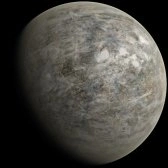
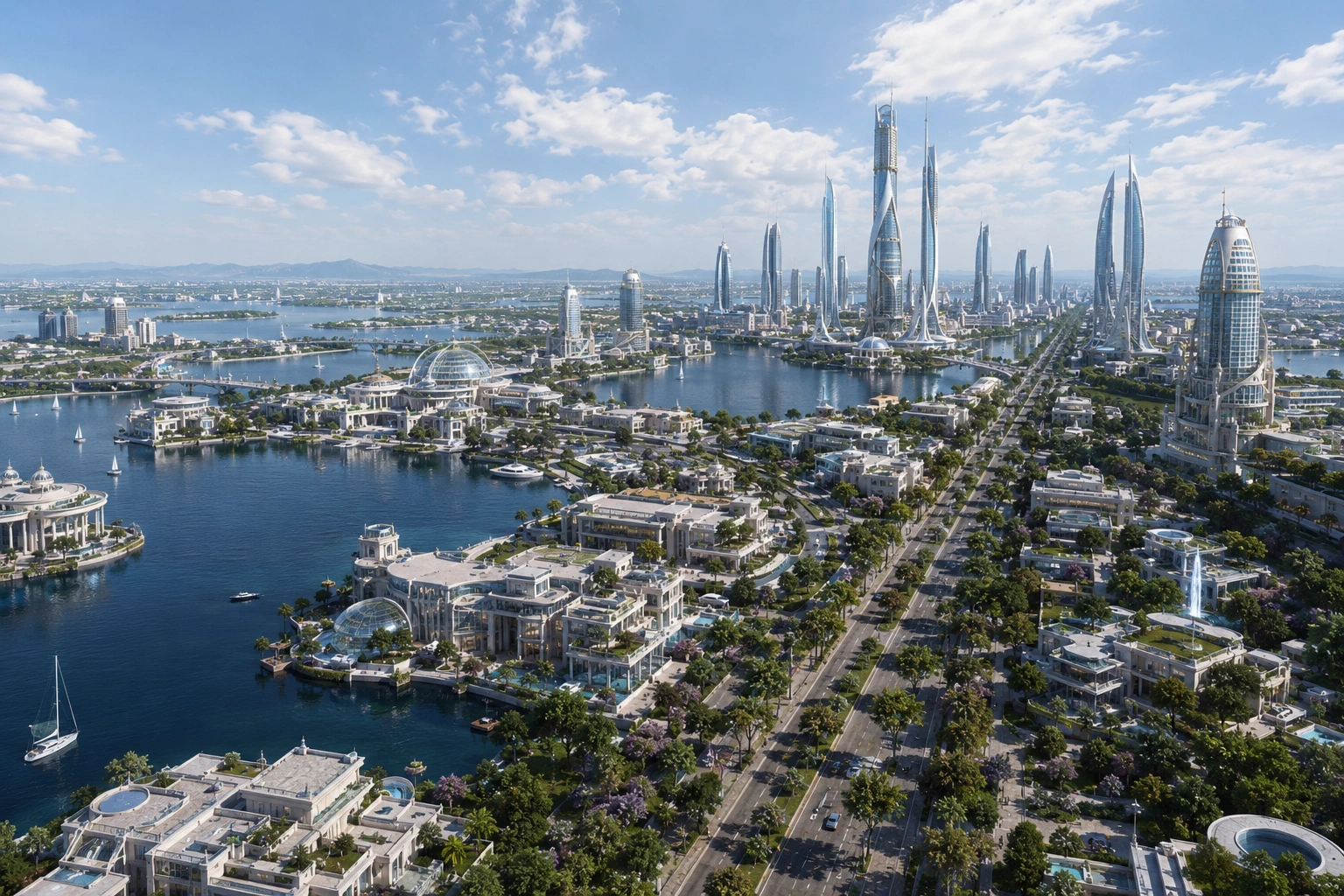
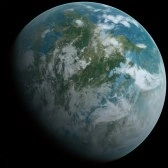
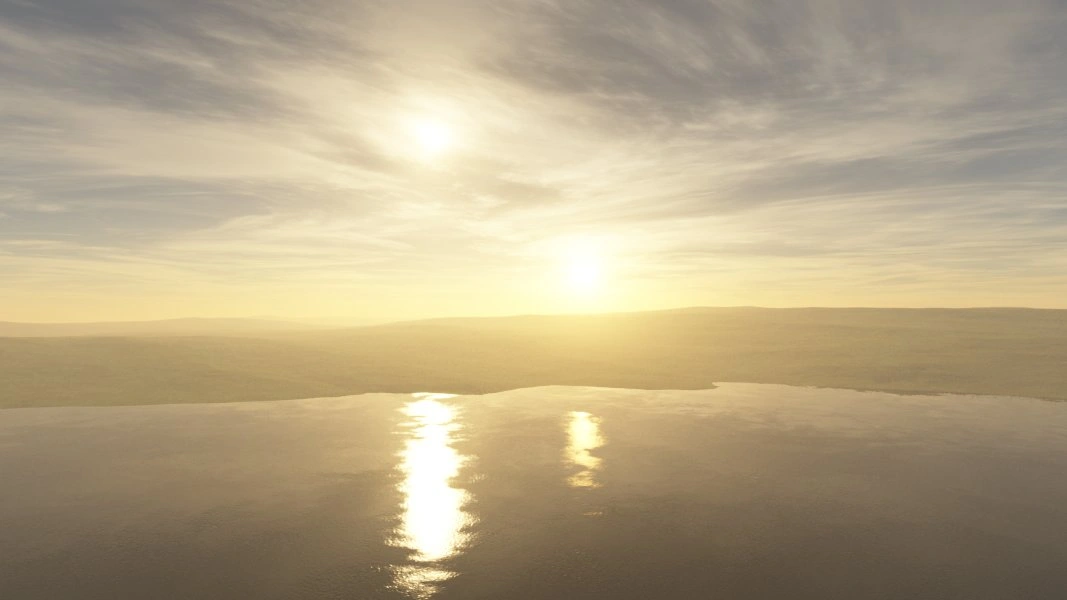
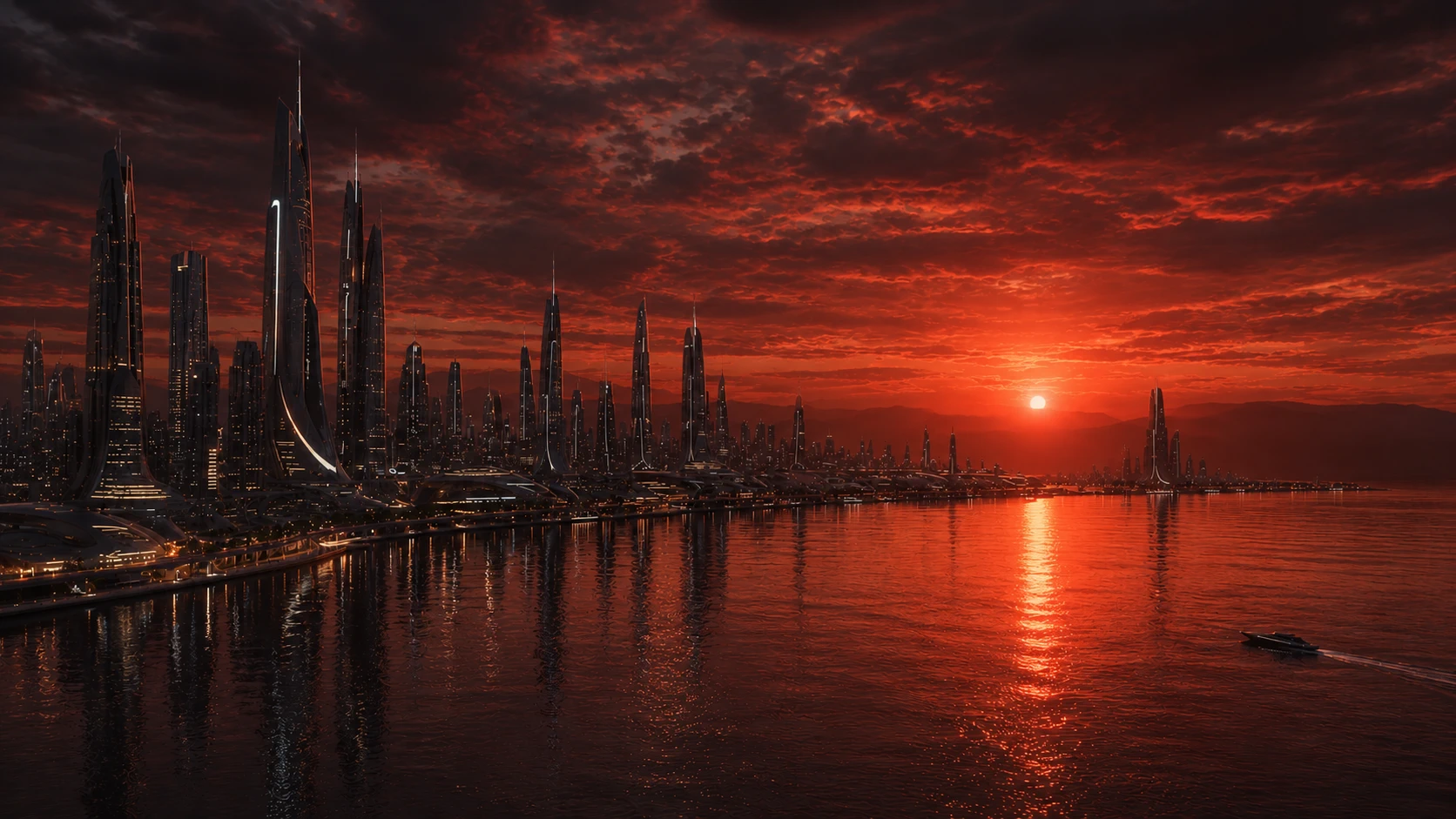
Parusia is a planetary system orbiting the yellow G-class star TYC73015021 in the Centaurus constellation of the Spica Region. Ruled by the powerful St. Vrain family for nearly two centuries, its primary world is publicly known for Cinderaville, a glittering capital of lakeside mansions, palaces, fruit-lined boulevards, and elite resorts. Beyond the capital's controlled tourist routes, most of Parusia lives in severe poverty under strict family rule.

Pastura surface viewPastura orbital view

Pastura

Archive Entry

The primary planet of the Pastura System is a world which was blessed with an abundance of arable land. Early settlers flocked to the planet and built agricultural communities based around tightly-knit, family groups.

Pavillon Rouge surface viewPavillon Rouge orbital view

Pavillon Rouge

Archive Entry

Pavillon Rouge is a system in the Spica Region. The system was first colonized by agriculture settlers travelling through the Spica Region. After two failed colonization attempts on the primary planet, the third attempt finally took hold setting up a long term society.

Payasa surface viewPayasa orbital view

Payasa

Archive Entry

The system's primary planet is the second planet from the sun. B2 is a garden world with dense green forests. The planet is often called Payasa Paradise because of its incredible beaches, mild weather, and endless forests. Payasa is known for its beautiful year-round weather.

Pazuzu surface viewPazuzu orbital view

Pazuzu

Frontier Colony

The Pazuzu System was originally settled by colonists primarily from Geminora. They settled on the meadow covered, primary planet and a moderate population grew. The colonists formed an agriculture community, benefiting from the planets relatively flat, gently rolling terrain and moist weather.

Pegram surface viewPegram orbital view

Pegram

Habitable World

P egram's primary planet is a world that is quickly dying. The planet was once much more habitable, but the planet's small mass and low gravity have caused it's core to solidify, weakening the planet's electromagnetic field. This has caused the once thick atmosphere to start thinning.

Perris surface viewPerris orbital view

Perris

Habitable World

Perris is considered one the hidden gems of the Inner Sphere. The system's primary planet is an unusually large, habitable, terrestrial world with over 4 times Earth's mass. Located in an isolated part of the Canopus Region, the planet is home to a small population relative to the planet's size.

Phaola surface viewPhaola orbital view

Phaola

Archive Entry

T he primary planet of the Phaola System is a world with pleasant weather along its coasts, the environment transitions into harsh deserts moving inland in the continental land masses. The planet's population is entirely huddled around the densely populated coastlines, as much of the desert regions cant support human settlements.

Phoenicia surface viewPhoenicia orbital view

Phoenicia

Habitable WorldIce World

The primary planet of Phoenicia System is a dry relatively dry, habitable world. Orbiting on the outer edge of the habitable zone, the planet has thick ice caps that over both poles that stretch down towards the lower latitudes. A small group of settlers established numerous colonies stretched along the equator, where temperatures are warmer.

Polyxo surface viewPolyxo orbital view

Polyxo

Archive Entry

The Polyxo System's primary planet is home to numerous large open air germanium mines, which the planet's economy is based entirely around. Conditions inside the mines have often been erratic, this has created an environment where violent worker revolts are a common occurrence.

Pope surface viewPope orbital view

Pope

Ice World

A planet system in the Canopus Region. The system is a stopping point for those travelling between the Betelgeuse and Canopus regions. A docking station orbits the primary planet, though adventurous souls can travel to the planet's icy surface.
Praecipua surface viewPraecipua orbital view

Praecipua

Water World

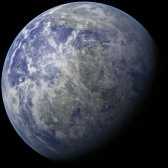
The Pracecipua System consists of a gas giant that is orbited by a large, water covered moon. Despite being the ideal temperature for liquid water and life, the moon is sterilized by the radiation of the large, red giant sun. The moon's ocean that covers the surface is highly acidic

Primas surface viewPrimas orbital view

Primas

Regional Center

The Primas System is located in the heart of the Sargas Region. Despite its location near the regional center, Primas's Primary planet has never grown a large population. The planet is warm and covered in meadows and grasslands, with some parts too warm for longterm human habitation.

Primus Hyadum surface viewPrimus Hyadum orbital view

Primus Hyadum

Habitable WorldWater World

The first star in the Hyades cluster is a giant star orbited by a gas giant (that was once like Jupiter) in the habitable zone. A water covered moon dotted with islands orbits the gas giant.

Promise surface viewPromise orbital view

Promise

Ice WorldFrontier Colony

Promise is home to a cold, ice covered world. The planet's life is clustered in a narrow band around the equator warm enough for liquid water, The first settlers were colonists exploring the nearby Hyades cluster. Small villages scattered along green tundra in the equatorial coastal areas house the population.

Psi5 Aurigae surface viewPsi5 Aurigae orbital view

Psi5 Aurigae

Archive Entry

Psi5 Aurigae is a star similar to Sol located 53.9 light years away. Planet Jasmine is a dry cold world that orbits the star at a distance of 1.3 AU. The system also has a kuiper belt centered around 29 AU.

Purgatory surface viewPurgatory orbital view

Purgatory

Archive Entry

P urgatory has always been a often forgotten about system. Located in a quiet part of the Canopus Region, the system rarely sees visitors. The system contains two warm terrestrial worlds that orbit the k-class parent star.