World Type Archive · Arid Planetary Environments

Desert Worlds

Desert worlds range from open-air habitable planets with thin ribbons of water to sealed industrial outposts, failed terraforming zones, red giant wastelands, and mineral-rich mining frontiers.

World TypeArid BiospheresFrontier SystemsLore Index

Overview

Arid WorldsScarce WaterAtmospheric AdaptationFrontier Ecology

Desert worlds are among the most varied planetary environments in the settled galaxy. Some are breathable, sunlit planets where humans can walk beneath open skies. Others are nearly uninhabitable wastelands where life survives only behind pressure glass, in buried arcologies, or within sealed industrial habitats.

The defining feature is not a total absence of life, but a shortage of accessible water. Lakes may exist only in isolated basins, aquifers may sit deep below the surface, and rainfall may arrive as rare seasonal storms. Settlement patterns on these worlds usually follow water rights, mineral corridors, shaded valleys, ancient seabeds, or engineered supply chains.

Even when they appear barren, desert worlds can hold enormous value. Their exposed geology makes mining easier, their dry atmospheres preserve ancient ruins and impact fields, and their harsh climates often produce cultures built around endurance, navigation, conservation, and long-distance trade.

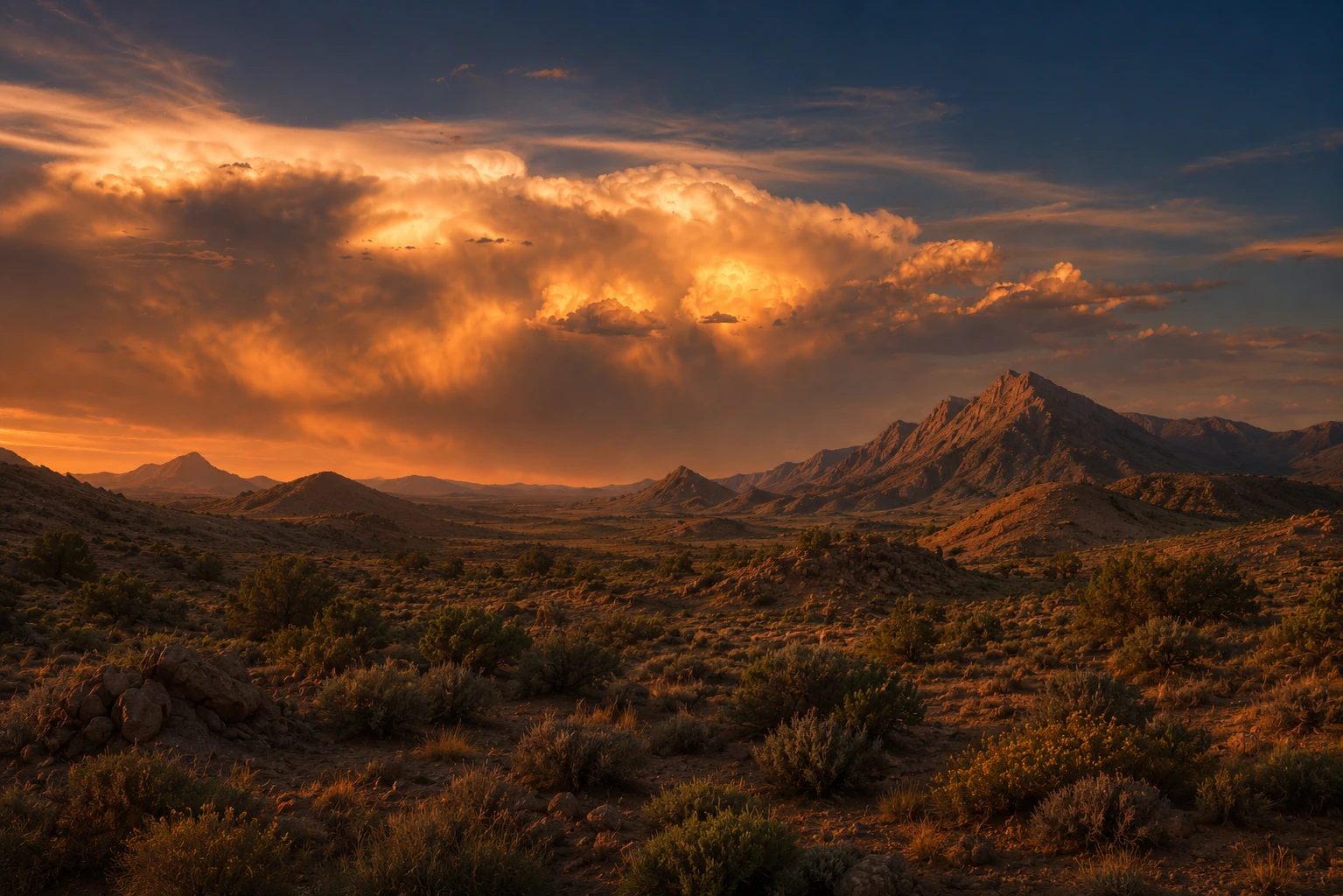
Desert world landscape under a harsh sky
Arid Planetary ClassDesert planets can be habitable, industrialized, partially engineered, or almost entirely hostile.

How Desert Worlds Breathe

Oxygen Without Forests

Habitable desert worlds create one of the great puzzles of planetary science: breathable atmospheres can exist even where surface vegetation is sparse and liquid water is limited. In these cases, oxygen is usually produced or maintained through mechanisms other than large forests.

Common explanations include microbial crusts spread across ancient seabeds, algae-rich brine pools, subsurface aquifers filled with oxygen-producing life, mineral reactions that release and stabilize atmospheric gases, or older biospheres that left behind a long-lived oxygen reserve. On some settled planets, orbital mirrors, atmospheric processors, or imported bioengineered microorganisms help maintain the balance.

Habitable Arid Landscapes

Red desert world with mountains and a glowing sun

Life Beneath Dry Skies

On the rare desert worlds where humans can breathe outside sealed structures, civilization follows the thin geography of survival: aquifers, sheltered basins, mineral springs, seasonal reservoirs, and routes known only to experienced navigators.

Explore Habitable Worlds

Major Desert World Types

1

Habitable Desert Worlds

These worlds have breathable atmospheres despite limited surface water and sparse plant life. Oxygen may come from microbial mats, subsurface biospheres, mineral chemistry, or carefully managed atmospheric systems.

2

Enclosed Habitat Worlds

When the exterior is too dry, thin-aired, toxic, or irradiated, settlement moves into domes, sealed cities, buried arcologies, and pressurized transport corridors.

3

Failed Terraforming Worlds

Some deserts are scars left by incomplete planetary engineering. They may hold breathable pockets, abandoned machinery, unstable weather, or ecosystems that never reached self-sustaining balance.

4

Red Giant Desert Worlds

Planets around red giants often endure intense heating, expanded stellar radiation, and long climate decline as oceans evaporate, soils bake, and settlements retreat into protected zones.

5

Desert Mining Worlds

Dry landscapes expose ore beds, impact metals, salt flats, and ancient seabeds. These worlds often become extraction colonies before they become permanent societies.

Enclosed Habitat Worlds

Survival Behind Glass and Alloy

For many desert planets, the surface is visible but not truly accessible. Settlements spread through pressure corridors, domed civic centers, buried utility networks, and transit lines designed to isolate people from dust, radiation, heat, or toxic air.

These communities often become dense and highly engineered. Agriculture is vertical, water is endlessly recycled, and exterior work is treated as a specialized profession rather than a daily reality.

Futuristic enclosed corridor overlooking an alien desert
Sealed Desert InfrastructureObservation corridors and pressure habitats make hostile arid worlds livable.

Deserts Beneath Red Giants

Desert world under a red giant and intense sun

Worlds Cooked by Expanding Suns

As stars swell into red giants, former temperate worlds can become furnace deserts. Oceans retreat, atmospheres thicken or erode, and surviving settlements move underground, into shaded canyons, or behind climate-controlled barriers.

Explore Red Giant Stars

Desert World Examples

Ruins of Dry Ambition

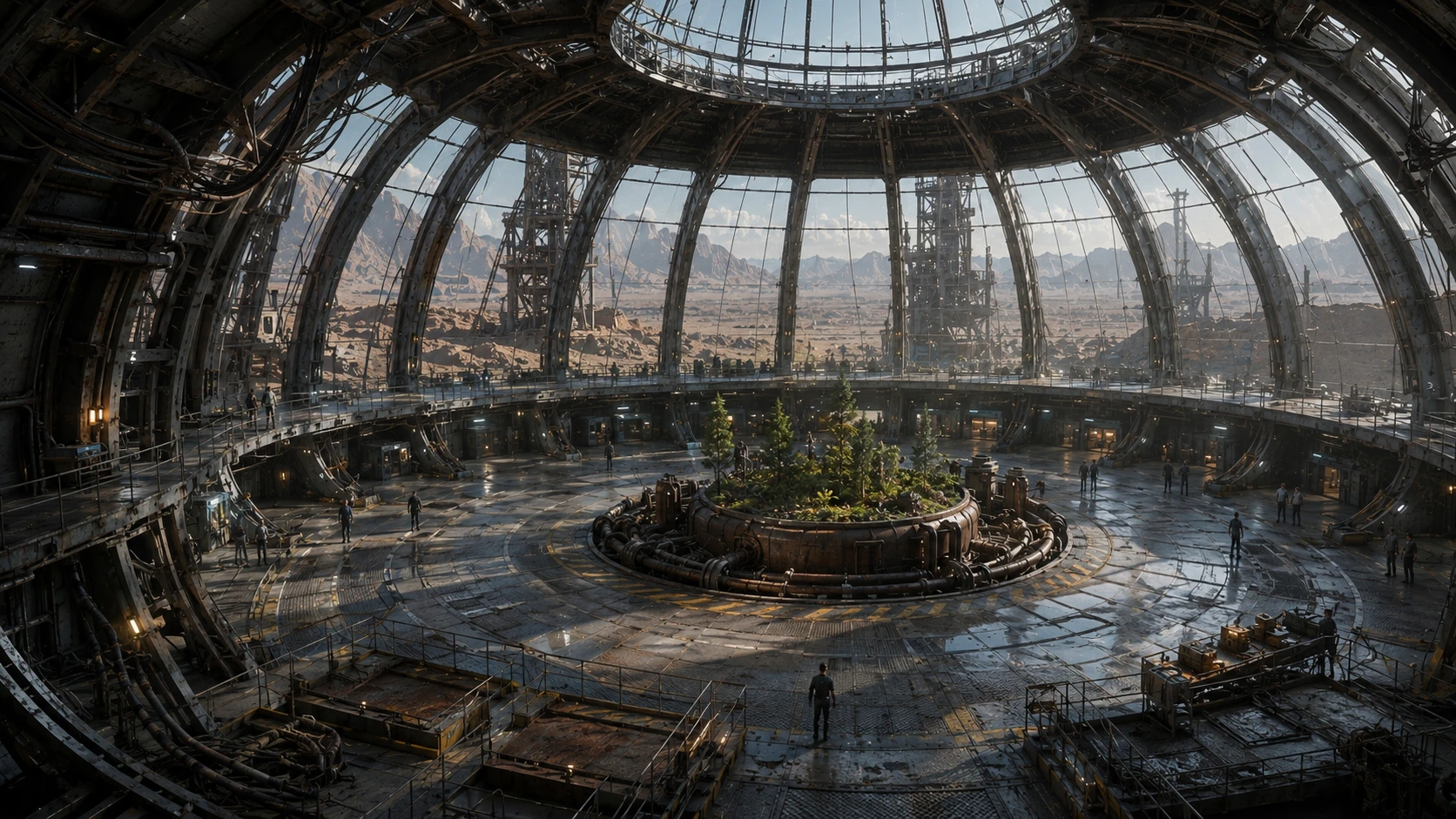
Industrial dome habitat in a barren desert world
Failed Conversion InteriorGreen cores and pressure shells preserve fragments of worlds that never fully transformed.

When a World Refuses to Change

Failed terraforming worlds are not simply dead planets. They are landscapes full of interrupted systems: oxygen gardens that never spread, domes built for populations that never arrived, atmospheric processors that outlived their operators, and basins where seas were planned but never formed.

Some become cautionary ruins. Others remain valuable because their partial infrastructure can be salvaged, repaired, or used as the foundation for a smaller enclosed civilization.

Explore Terraforming

Life on the Dry Frontier

Desert worlds shape civilization through scarcity. Water becomes law, geography becomes politics, and survival depends on infrastructure as much as courage. A single aquifer, orbital shade array, sealed transit line, or mineral basin can determine where cities rise and where entire regions remain empty.

Yet these planets are rarely backwaters. Their dry surfaces preserve records, simplify excavation, and expose resources that wetter worlds bury beneath oceans and soil. Many desert societies become skilled traders, engineers, miners, atmospheric technicians, and navigators because their worlds leave little room for waste.

Across the Darknovus archive, desert worlds reveal the full range of human adaptation: open-air frontier cultures on Yawar, sealed habitats on Panstor, ruined ambitions on Northsun, stellar decline around Minelauva, and industrial extraction across Rama.

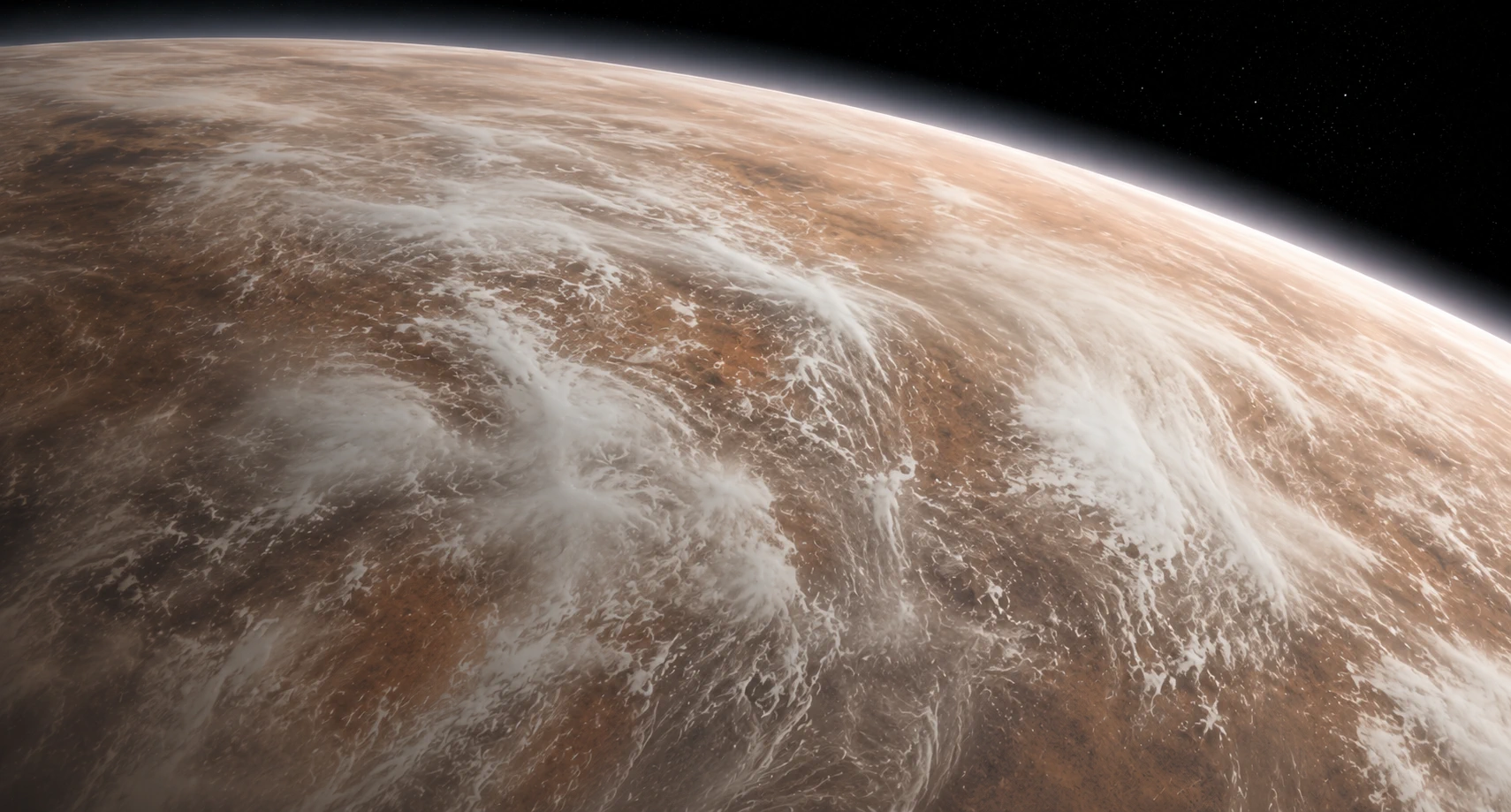
Orbital view of a broad desert planet with pale storm systems
Dry Worlds From OrbitViewed from above, desert planets reveal how atmosphere, dust, and ancient water shape civilization.